Best American-Made Motorcycle Vests for Appalachian Mountain Riders
- jamesjordan

- Jun 28
- 3 min read
The Appalachian Mountain chain runs from northern Georgia through Maine, and the roads that follow its ridgelines and hollows represent the finest motorcycle riding in the Eastern United States. The Blue Ridge Parkway alone — running 469 miles from Shenandoah National Park to Great Smoky Mountains National Park — is the single most ridden scenic road in the country. Add the Skyline Drive, the Cherohala Skyway, the Tail of the Dragon, and hundreds of secondary roads through the West Virginia, Virginia, and North Carolina mountains, and you have a lifetime of riding within a tank's range of the eastern seaboard.
Appalachian riding culture runs deep. The mountains of West Virginia, southwestern Virginia, eastern Kentucky, and western North Carolina have a distinct riding tradition that predates the current sport-touring and adventure-touring wave. The culture here is old-school American motorcycle — leather vests, big V-twins, and a relationship with these mountain roads that goes back generations. The gear that fits this culture is built with the same no-nonsense quality that Appalachian riders expect from everything they use.

What Appalachian Roads Demand from Your Vest
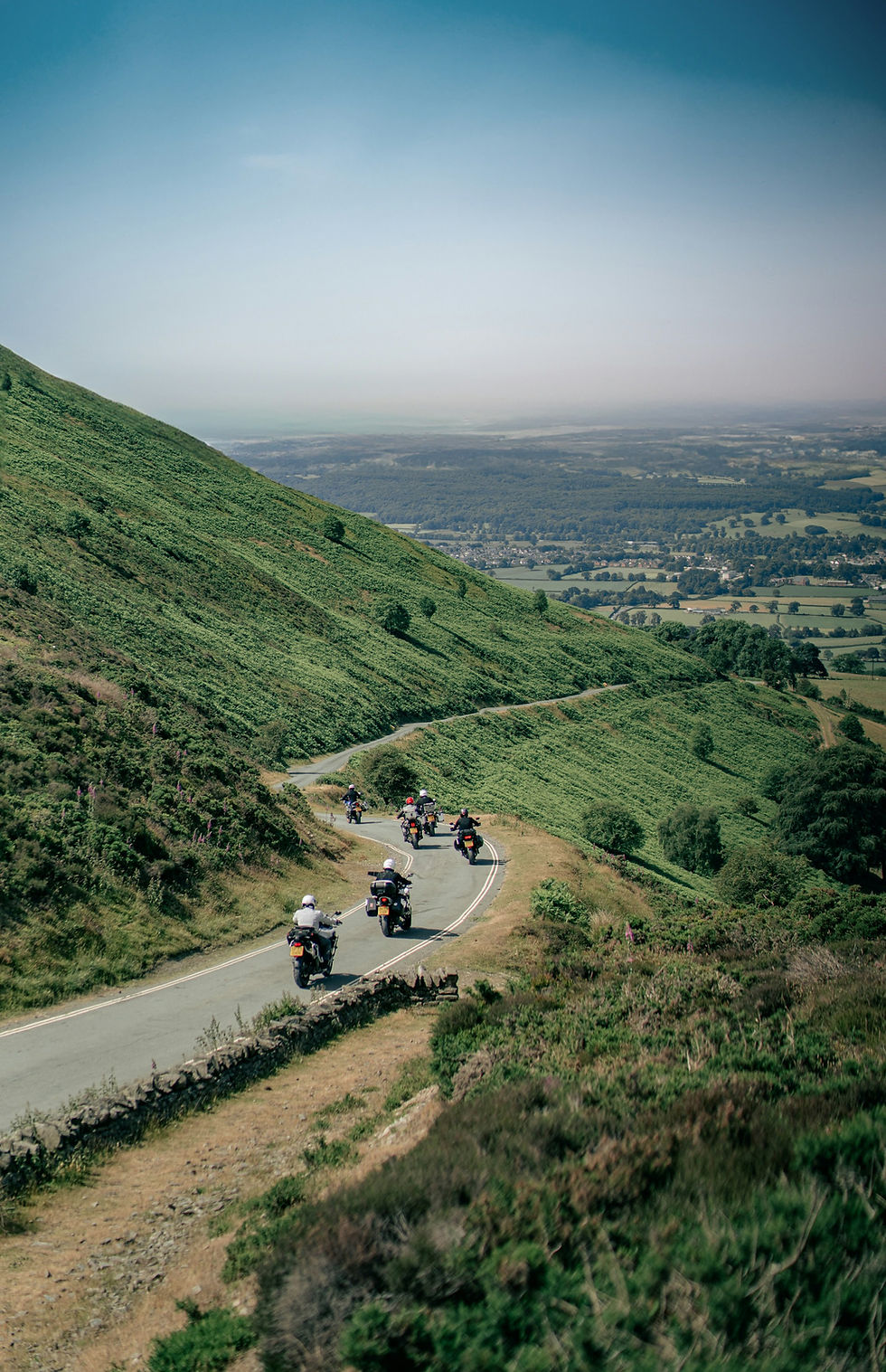
Appalachian mountain roads are technical. The Blue Ridge Parkway has no commercial traffic — it is a dedicated scenic road where motorcycles and the occasional RV share a two-lane highway with consistent curves and dramatic elevation changes. The secondary roads through the national forests of Virginia and West Virginia are even more demanding — narrow, technical, and often without guardrails on dramatic drop-offs. A vest that moves with you through extended cornering is a gear requirement, not a preference.
Appalachian weather is also variable. The mountains create their own weather systems — fog in the valleys, sudden afternoon thunderstorms on the ridgelines, temperature inversions that put warm air at elevation and cold air in the hollows. Riders who spend time in the Appalachians learn to carry layers and to read the sky. A vest that functions as a standalone mid-layer and a under-jacket piece gives you maximum flexibility.
Top Pick: Legendary Gunslinger Vest
The Legendary Gunslinger vest is a natural fit for Appalachian riding culture. Its construction reflects the heritage aesthetic that Appalachian riders respect — solid cowhide leather, clean lines, and interior gun pockets for riders who carry through the mountain back roads. The vest is built to the standard of American craftsmanship that defines this gear category, with stitching and hardware that holds up through serious mountain riding.
Explore the full lineup at the Legendary USA motorcycle vests collection. The best motorcycle vests buying guide covers all styles and construction details. The Legendary Gunslinger men's vest with gun pockets page has full specifications.
Appalachian Mountain Riding Routes
The Blue Ridge Parkway is the centerpiece, but the surrounding route network extends the experience dramatically. Shenandoah National Park's Skyline Drive connects the northern end of the Parkway to Washington DC's orbit, making it accessible for Mid-Atlantic riders. West Virginia's Highland Scenic Highway and US-219 through Pocahontas County offer some of the most remote and beautiful riding in the East. The New River Gorge area following the river on US-19 and local roads adds dramatic geology to the riding experience.
Appalachian Riding Season
The Appalachian riding season runs April through October at lower and mid elevations, with the prime windows being late April through June and September through mid-October. Fall foliage in the Appalachians — particularly the Blue Ridge Parkway in early to mid-October — rivals New England for color and spectacle. Many serious Appalachian riders consider October their peak month, when the roads are less crowded with summer tourists and the temperatures are ideal.
FAQ: Motorcycle Vests for Appalachian Riders
Q: What makes Appalachian motorcycle culture distinctive? A: The Appalachian riding tradition is rooted in genuine working-class heritage — these are mountains where people have lived with and around motorcycles for generations. The culture values quality, practicality, and authenticity over fashion.
Q: Is the Blue Ridge Parkway suitable for beginners? A: The Parkway's 45mph speed limit and smooth pavement make it accessible, but the scenery is distracting enough that attention is required. The secondary mountain roads in the area demand more technical skill.
Q: When does the Blue Ridge Parkway close sections in winter? A: High-elevation sections close when ice and snow make them unsafe, typically November through March. Lower sections may stay open. Check the NPS website for current conditions before a fall or spring ride.
Q: Do Appalachian riders favor leather or textile vests? A: Leather is the overwhelming preference in traditional Appalachian riding culture. Textile vests exist but are less common — the heritage aesthetic and the genuine durability of leather dominate in this region.
Q: Is West Virginia an underrated motorcycle destination? A: Significantly underrated. The Highland Scenic Highway, the New River Gorge area, and the routes through Monongahela National Forest offer world-class riding with a fraction of the traffic of more famous destinations.