Best Leather Conditioner for Motorcycle Gloves and Vests

Updated: Sep 28
For most riding leather the best conditioner is a light, water based one such as Lexol, which we do not sell, used two or three times a season on a vest and almost never on deerskin gloves. That is the whole answer, and the reason it ranks first is not that it outperforms everything else. It is that it is the hardest one to get wrong, and getting it wrong is how riders actually destroy leather.
Disclosure: MotoGearRater and Legendary USA have the same owner. Links to legendaryusa.com in this article go to our owner’s store, and are marked as sponsored. How we make money
The question looks simple and is not, because two different problems get the same name. A vest that lives outside in sun and rain needs a barrier. A pair of deerskin gloves that spends every ride absorbing oil from your hands usually needs nothing at all. Treat them the same way and you will end up with a heavy, greasy, permanently stretched pair of gloves and a vest that still cracks where it folds. Below are four products ranked for riding leather, and then the part that matters more than any of them.

How These Were Judged
We ranked these on what they do to leather that gets ridden in: whether they restore flexibility without adding weight, how far they darken the finish, whether they leave a surface that attracts road grit, and how easy each one is to overapply. Ease of overapplying counted heavily, because that is the failure mode we see most.
These are editorial ratings from using these products on our own gear and from what riders report back over years of ownership. We do not run laboratory tests on leather care products, we do not claim a score predicts how a hide ages in your climate, and no conditioner adds crash protection to anything. Prices verified August 2026.
1. Lexol Leather Conditioner, Best for Riders Who Do Not Want to Think About It
We do not sell Lexol and we are not linking to it, but it is the honest first recommendation for most riders and it would be dishonest to bury it at number four. It is a thin, water based emulsion rather than a grease, it soaks in rather than sitting on top, and it is very difficult to apply so much that you cause harm. On a leather vest it restores flexibility without turning the surface tacky, and it darkens far less than a wax or oil product. What it will not do is waterproof anything, so if your vest is your rain layer, this is not the product. Every hardware store and auto parts counter carries it, which is a real advantage the day you actually decide to do the job.
Price: commonly $10 to $20, we do not sell it
Score: 8.8 out of 10
Best for: routine upkeep on vests and jackets, riders prone to overdoing it
2. Obenauf's Heavy Duty LP, Best for a Vest That Lives Outside
This is the product to reach for when the leather has a hard life. Obenauf's Heavy Duty LP is a beeswax and propolis based paste rather than a liquid, so it builds a surface that sheds water instead of only feeding the fibers underneath. It was built for work boots and firefighting gear, and that heritage shows: it is thick, it darkens leather noticeably, and a little goes a very long way. On a weathered vest or a pair of heavy gauntlets it is excellent. On soft deerskin it is usually too much, which is a criticism of how riders use it rather than of the product. Warm it slightly between your fingers, apply thin, and give it a night to settle. From $15.99.
Price: from $15.99
Score: 8.7 out of 10
Best for: weathered vests, heavy leather, riders who want water resistance
3. Obenauf's Cleanit, The Step Riders Skip
Conditioning dirty leather drives the dirt in and seals it there, which is why Obenauf's Cleanit at $15.99 earns a slot on a list of conditioners it technically does not belong on. It is a natural cleaner rather than a saddle soap, so it lifts road film, body oil, and salt without stripping the leather back to bare and chalky. Use it on a damp cloth, work small sections, and let the piece dry at room temperature before anything else touches it. If your vest has visible grime in the grain or your gloves have gone shiny and dark in the palms, this is the product that should come out of the cabinet first, and often it is the only one you need.
Price: $15.99
Score: 8.4 out of 10
Best for: the cleaning step before conditioning, salt and road film
4. Obenauf's Water Shield, Useful but Not a Conditioner
Ranked fourth because it is answering a different question, and riders buy it expecting it to do this job. Obenauf's Water Shield at $15.99 is a waterproofing treatment. It adds repellency on top of leather that is already in good condition, and it does that well on a vest that gets caught out. What it does not do is restore flexibility to a hide that has dried out, so applying it to leather that already feels stiff will lock in the problem. Condition first, let it rest, then shield. Used in that order on a vest that sees real weather, it earns its place. Used alone it is a coat of armor over a problem you have not fixed.
Price: $15.99
Score: 7.9 out of 10
Best for: rain repellency on leather that is already healthy
How to Condition Without Wrecking the Leather
The product matters less than the method. Nearly every ruined vest and every heavy, sagging pair of gloves we have handled was ruined by good intentions applied too often. The full leather care range is small on purpose, and here is how to use any of it.
Heat is what actually destroys leather. Not water, not neglect, not cold. A hair dryer, a heater vent, a hot dashboard, or a tumble dryer drives the oils out and shrinks the fibers, and no conditioner brings that back. Wet leather dries at room temperature, away from sun, and nowhere else.
Clean before you condition, every single time. Otherwise you are sealing grit into the grain.
Go thin. A pea sized amount covers a surprising area. Wipe the excess off after twenty minutes and let the piece sit overnight before you wear it.
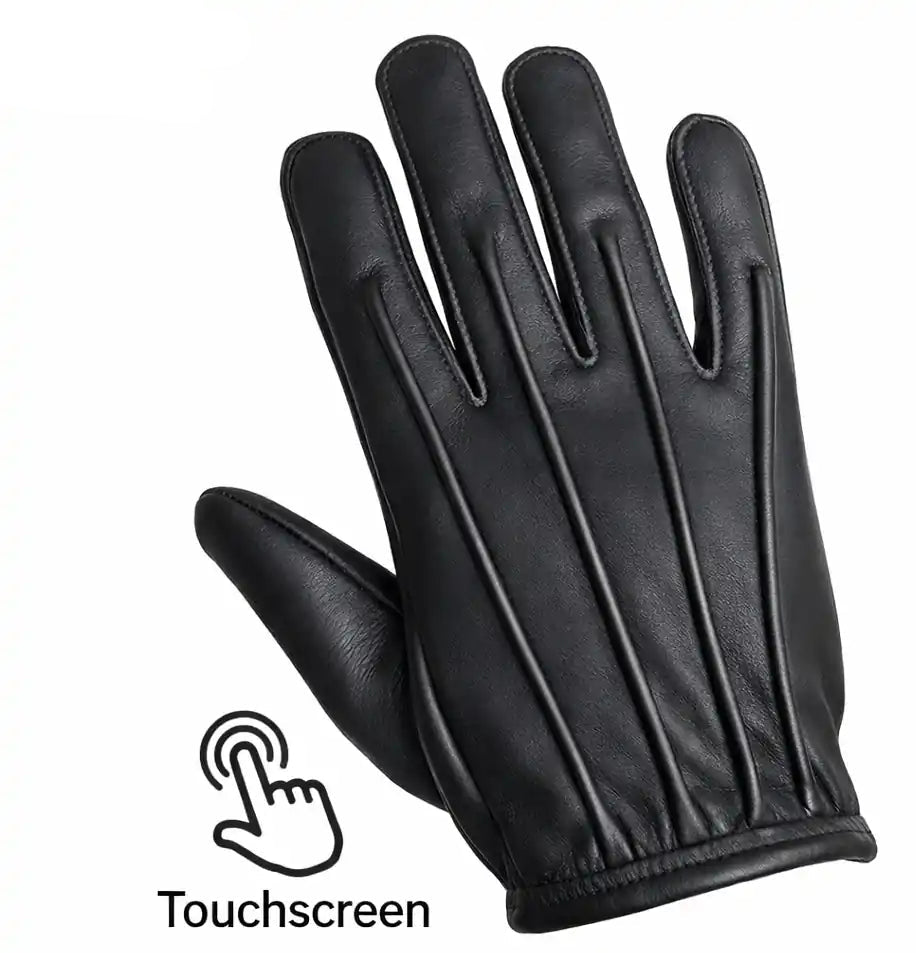
Over-conditioning deerskin is the most common mistake in this whole category. Deerskin is soft, oil tanned and absorbent, and it already takes oil from your hands on every ride. A pair of deerskin riding gloves usually needs nothing in the first year. Condition them only after a real soaking, or when the surface has gone dull and papery.
Keep grease off touchscreen fingertips. A heavy wax coat is exactly what stops a conductive fingertip from working, and riders blame the glove.
Skip mink oil and petroleum products on gloves. They soften leather past the point of usefulness and permanently stretch a glove that fit fine last month.
Test on a hidden spot first, inside a vest hem or under a lapel. Almost every conditioner darkens leather, and some do so permanently.
If your gloves are a modern technical pair from Held, Alpinestars or a similar maker, with textile panels and a membrane, follow the maker's own instructions instead. Oil and wax products can clog a waterproof membrane and are not what those gloves were designed around.
Work around patches on a vest. Conditioner wicks into patch thread and edges, and it will discolor twill and embroidery.
Common Questions
What is the best leather conditioner for motorcycle gloves?
For most riding gloves the best conditioner is the smallest amount of the lightest product you own, applied about once a season. A thin, water based conditioner such as Lexol is the safest choice on deerskin and goatskin, and Obenauf's Heavy Duty LP is better suited to heavy gauntlets or gloves that have been soaked repeatedly. The one thing to avoid is treating gloves on a schedule. Condition them when the leather looks dry and dull, not when the calendar says so.
What is the best leather conditioner for a motorcycle vest?
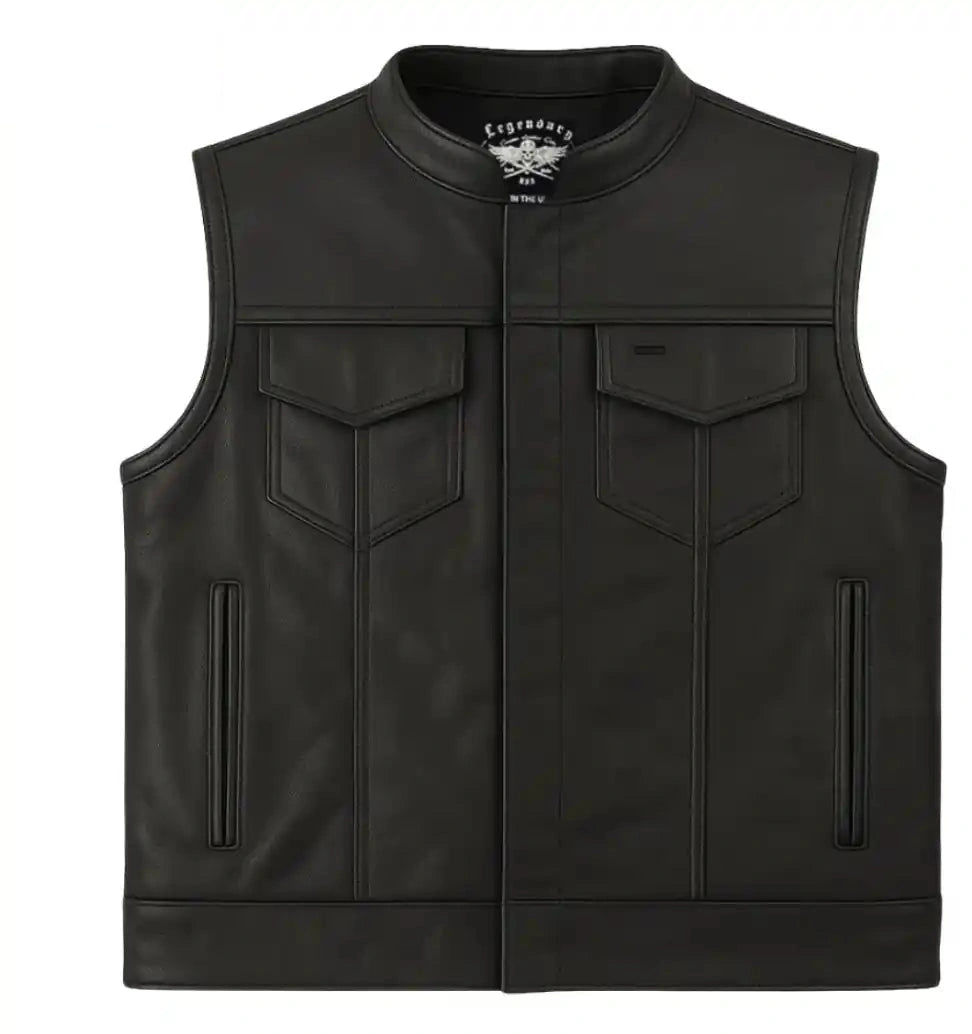
A vest is the one piece where a heavier product genuinely pays off, so Obenauf's Heavy Duty LP is our pick for a vest that lives outdoors. It builds water resistance as well as feeding the hide, which matters on a garment that sits in the sun on a parked bike and gets rained on twice a year. If you want the vest to stay light in color and soft rather than waxy, use a thin water based conditioner instead and accept that it will not repel water.
How often should I actually be doing this?
Two or three times a season for a vest, and once a year or less for deerskin gloves. Ride hard in rain and salt and you will be at the higher end, ride fair weather only and you will be at the lower. Clean more often than you condition, because dirt does more damage than dryness in most climates.
What Actually Goes in the Cabinet
Buy one light conditioner and one cleaner and stop there. Lexol is the pick for general upkeep because it is cheap, easy to find, and nearly impossible to overapply, and we say that knowing perfectly well we do not sell it. The runner up, and the better product for a vest that takes weather, is Obenauf's Heavy Duty LP from $15.99, used sparingly and never on soft glove leather.
Pair either one with Obenauf's Cleanit and you have covered every leather care job a rider actually has. Then leave the gear alone. The most valuable thing you can do for a good vest is wear it, keep it out of direct heat, and resist the urge to feed it every month.