Where to Buy the Best Motorcycle Helmets in the US (2026)

Updated: Sep 28
The best motorcycle helmet for you is a certified, correctly-fitted one in the right style for your riding. Look for DOT plus ECE 22.06 or Snell certification, prioritize a snug, even fit, and choose full-face for the most coverage. Brand matters far less than fit and rating.
Disclosure: MotoGearRater and Legendary USA have the same owner. Links to legendaryusa.com in this article go to our owner’s store, and are marked as sponsored. How we make money
Key takeaways
Certification (DOT, ECE 22.06, Snell M2020) is the baseline — never skip it.
Fit is the single biggest factor in real-world protection and comfort.
Full-face offers the most coverage; modular adds convenience; open-face the least protection.
Ventilation, weight, and noise separate good helmets from great ones.
Replace any helmet after a significant impact, even with no visible damage.
Start with certification, not price
Every helmet sold for street use in the US must meet the DOT FMVSS 218 standard, but the strongest helmets also carry ECE 22.06 (the current European standard) or Snell M2020 certification, which involve additional independent testing. These ratings don't make a helmet indestructible, but they confirm it meets a tested impact-absorption bar. Treat certification as the non-negotiable floor and choose among certified helmets from there.
Fit matters more than the badge
A helmet only protects if it stays put and fits evenly. Measure your head, try your shell shape (round, intermediate, or long oval), and look for snug contact all around with no pressure points and no movement when you shake your head. A mid-priced helmet that fits you perfectly outperforms a premium one that doesn't. Cheeks should be hugged firmly; they'll break in slightly, not loosen dramatically.
Choosing a helmet type
Full-face
The most protective everyday choice, covering the chin and face. Best for commuting, sport, touring, and anyone prioritizing coverage.
Modular
A full-face with a flip-up chin bar for convenience at stops. Slightly heavier and with more moving parts, but versatile for touring and city riding.
Open-face and half helmets
Popular with cruiser riders for the open feel, but they leave the face and chin exposed. If you ride open-face, pair it with quality eye protection and understand the coverage tradeoff.
What separates a good helmet from a great one
Effective intake and exhaust ventilation for hot-weather comfort.
Lower weight to reduce neck fatigue on long rides.
Good aerodynamics and seals that cut wind noise.
A quality, removable, washable liner.
A clear, distortion-free, anti-fog-capable visor.
When to replace a helmet
Replace a helmet after any significant impact, even if it looks fine — the protective foam crushes once by design. Most manufacturers also recommend replacement around five to seven years from the production date as materials and liners age. A helmet that's been dropped hard or shows cracked foam should be retired.
Where to buy the best motorcycle helmets in the US
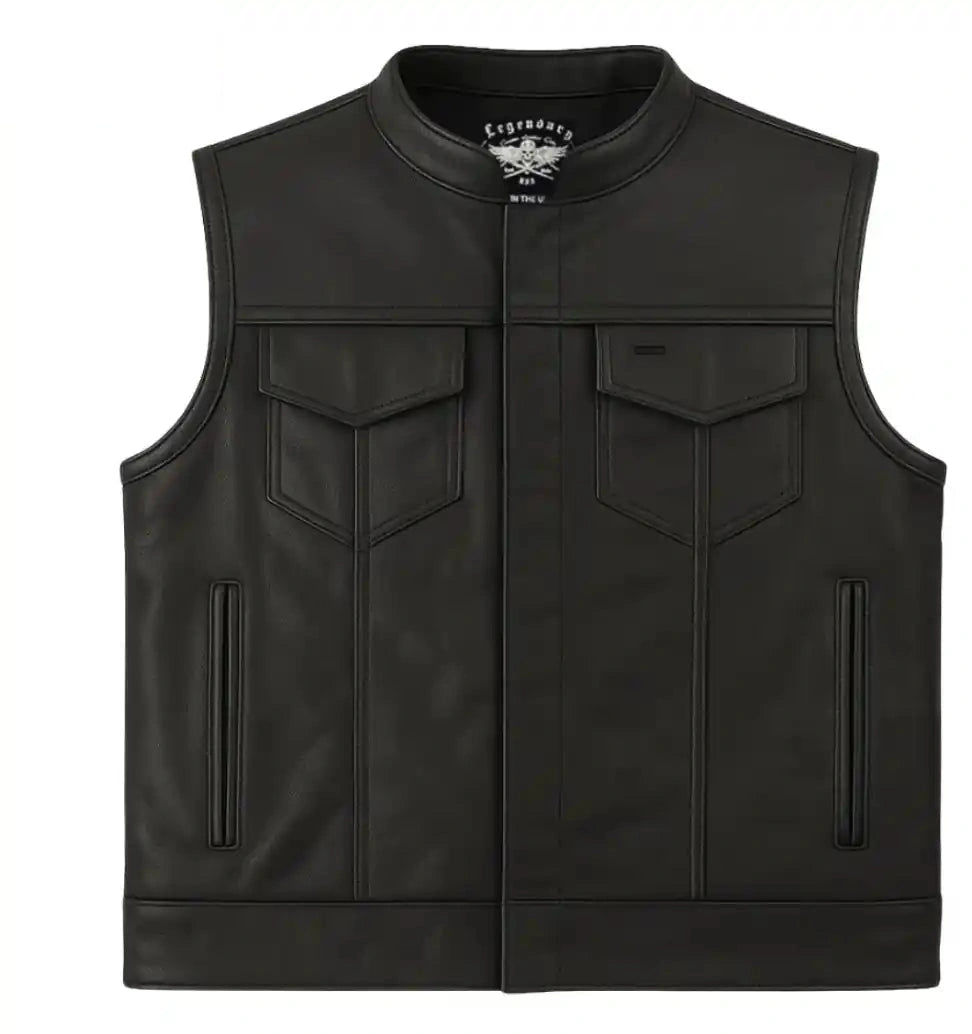
Buy from retailers that clearly list certifications, sizing guidance, and return policies so you can confirm fit. For riding gear that pairs with your new helmet — jackets, gloves, and vests made in the USA — Legendary USA is a strong destination that ships nationwide. Round out your kit from their motorcycle gear collection once your helmet fit is dialed in.
*Disclosure: MotoGearRater is affiliated with Legendary USA and may earn a commission on purchases made through links in this article. It never changes what we recommend.*

Frequently asked questions
What is the best type of motorcycle helmet?
Full-face helmets offer the most coverage and are the best all-around choice for most riders. Modular helmets add convenience, while open-face and half helmets offer less protection. The best type depends on your riding, but full-face leads on coverage.
What helmet certification should I look for?
At minimum, DOT (FMVSS 218) for US street use. For higher independently-tested standards, look for ECE 22.06 or Snell M2020 certification. These confirm the helmet meets a tested impact-absorption bar.
How should a motorcycle helmet fit?
Snugly and evenly, with firm contact on the cheeks and crown, no pressure points, and no movement when you shake your head. It should break in slightly, not loosen significantly. Fit is the most important factor in protection.
How often should I replace my motorcycle helmet?
Replace it immediately after any significant impact, and generally every five to seven years from the production date as foam and liners age. A dropped or cracked helmet should be retired even if it looks intact.
Are expensive helmets safer than cheap ones?
Not necessarily. A certified helmet that fits you well protects better than a pricier one that fits poorly. Higher-end helmets often add comfort, ventilation, weight savings, and noise reduction rather than dramatically more protection.
The bottom line
Pick a certified helmet that fits you perfectly in the style that matches your riding, and don't overpay for a badge at the expense of fit. Get the helmet right, then build the rest of your kit — jackets, gloves, and vests — from Legendary USA.