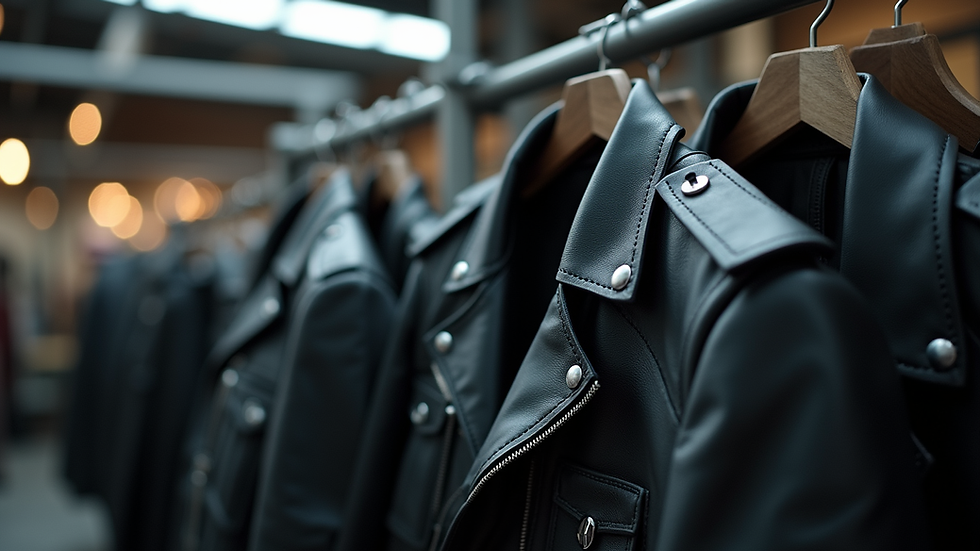
Best Motorcycle Jackets for Rally Riding
- jamesjordan

- Jun 28
- 3 min read
Rally riding occupies its own category. You are not commuting. You are not doing a quick weekend loop. A rally means riding to an event — often several days away — spending multiple days there, riding the local roads, and riding home. The jacket needs to serve all those functions without requiring gear changes or compromising comfort over what amounts to a multi-week riding period.
The Ride to the Rally
For most major rallies — Sturgis, Daytona, Laconia, Myrtle Beach — the ride there is a significant part of the experience. Riders come from across the country, logging three to seven days of highway miles. Your jacket for this leg needs to be a touring jacket first: liner system, good pocket access, weather adaptability, and the comfort to be worn for eight-hour days.
At the Rally: Style and Function
Once you are at the rally, the jacket serves a different function. You are on the grounds, you are socializing, you are doing shorter rides on local roads. The jacket needs to look right in that context. Rally culture skews toward classic American motorcycle aesthetics — clean leather, minimal sport styling, heritage credentials. The Legendary Black Hills jacket at legendaryusa.com/products/legendary-black-hills-mens-leather-motorcycle-jacket works in both contexts.
Managing Multiple Days in the Same Jacket
Wearing the same jacket for seven to ten consecutive days means it needs to be comfortable without breaking down, breathe adequately, and handle the inevitable food, rain, and road grime that accumulates at a multi-day event. A jacket with a removable liner gives you options as temperatures shift. A dark exterior shows dirt and wear less than lighter colors. Full-grain leather wipes clean more easily than suede or nubuck.
Horsehide for the Rally-Going Rider
Riders who attend multiple rallies per year tend to invest in serious gear because they put serious miles on it. Horsehide leather is the right investment for this use case. The Legendary Black Stallion Horsehide at legendaryusa.com/products/legendary-black-stallion-horsehide-motorcycle-jacket is built for that level of use and will develop genuine character over years of rally riding.
Pockets for Rally Life
At a rally you carry more than on a standard ride. Event passes, cash, multiple forms of ID, vendor receipts, phone and charger. A jacket with at least four exterior pockets and two interior pockets handles this comfortably. Zip closures on all exterior pockets — not snaps or velcro — because you will be opening and closing them dozens of times per day.
Safety Considerations for Rally Riding
Rally roads are often more dangerous than typical riding conditions — high traffic density, alcohol-involved incidents in the evenings, unfamiliar riders on rented bikes. CE armor at elbows, shoulders, and the back is worth having at a rally even if you sometimes skip it for shorter local rides. See the full Legendary USA collection at legendaryusa.com/collections/motorcycle-jackets.
Frequently Asked Questions
Q: What is the best type of jacket for multi-day rally riding?
A: A touring-capable leather jacket with a removable liner, good pocket configuration, and a classic silhouette that works both on the road and at the event grounds.
Q: How do I keep a leather jacket clean during a multi-day rally?
A: Wipe down the exterior with a damp cloth daily. Air out the interior each night. Full-grain leather in dark colors shows dirt and wear less than light colors or suede.
Q: Is a vest or a jacket better for rally riding?
A: A full jacket is better for the ride to the rally. A vest is a good addition for on-foot time at the event. Many rally riders own both.
Q: What makes a jacket appropriate for rally culture?
A: Classic American leather styling, minimal sport or technical branding, and construction that shows genuine riding use rather than being kept clean for display.
Q: Do I need CE armor at a motorcycle rally?
A: Yes, especially for the rides on local roads around the rally. High traffic density and the presence of less experienced riders increases incident risk.