


The Future of Deerskin Gloves in a Synthetic World

Updated: Sep 28
The Future of Deerskin Gloves in a Synthetic World
Quality deerskin gloves exist in a world of increasingly capable synthetic alternatives, performance textiles, and emerging plant-based leather alternatives. An honest look at their future requires acknowledging both genuine challenges and genuine advantages that synthetic materials cannot replicate.
Disclosure: MotoGearRater and Legendary USA have the same owner. Links to legendaryusa.com in this article go to our owner’s store, and are marked as sponsored. How we make money
Genuine Challenges for Deerskin in the Current Landscape
Performance synthetics: para-aramid and HPPE cut-resistant synthetics for industrial applications, Gore-Tex membranes for waterproofing, conductive textile fingertips for touchscreen use — synthetics offer functional capabilities in specialized applications that deerskin cannot match at comparable price points. Price competition: mass-production alternatives provide a price floor quality deerskin cannot match on initial purchase price alone; only on cost-per-year-of-use does quality deerskin compete favorably. Skill shortage: quality glove-making requires skilled craftspeople who take years to develop; as traditional manufacturing centers (Gloversville US, English Midlands, Grenoble France) have contracted, the pool of skilled craftspeople has diminished significantly. Changing consumer habits: disposable consumption patterns work against the investment-purchase model quality deerskin requires; consumers accustomed to frequent replacement are not the natural market for a $150-300 pair intended to last 15-25 years.
What Synthetic Alternatives Cannot Replicate
Conforming capacity: no synthetic material can permanently conform to the wearer's specific hand geometry as deerskin's collagen fiber network does during break-in; this conforming fit, improving over years, is unique to natural leather. Breathability and hygroscopicity: natural protein fiber structure is highly breathable and moisture-wicking in a way that synthetic coatings and membranes cannot replicate without layered bulk-adding systems. Tactile sensitivity: the extreme thinness (0.5-0.8mm) and pliability of quality deerskin allows tactile sensitivity that synthetics at equivalent protection levels cannot match. Patina and character development: no synthetic material develops aesthetic character with use in the way quality natural leather does. Biodegradability: natural leather biodegrades; synthetic alternatives are petroleum-derived and do not biodegrade; they shed microplastics. Repairability: quality deerskin can be repaired; synthetic alternatives generally cannot.
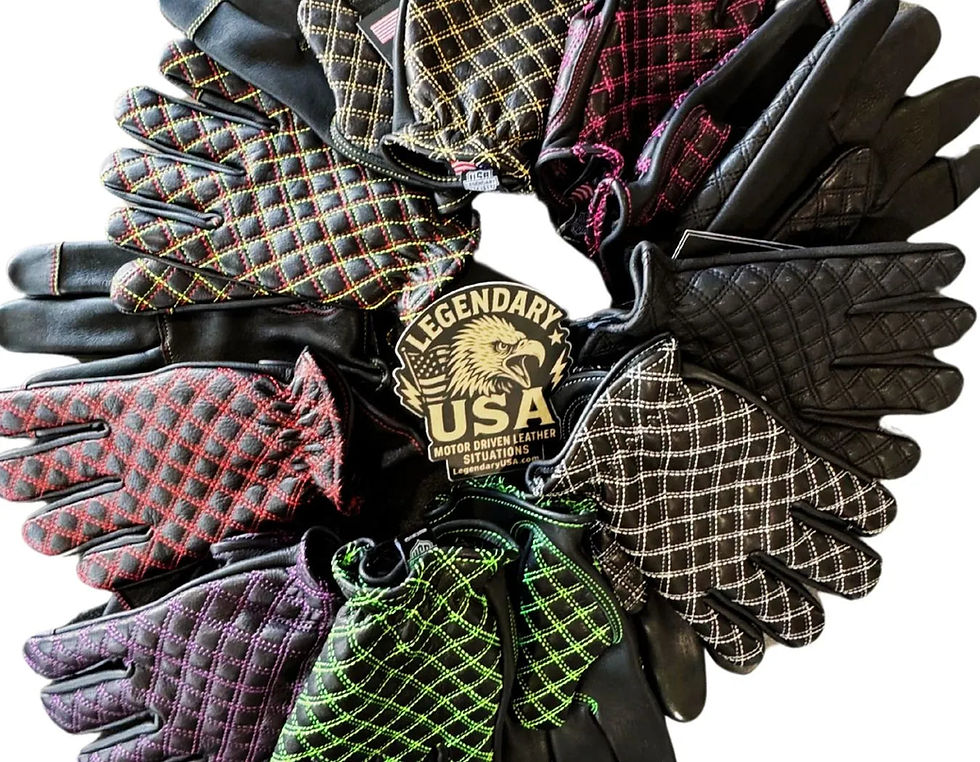
The advantages that define quality deerskin's future apply directly to quality leather motorcycle gloves: conforming fit, tactile sensitivity, repairability, and developing character with use. These are the qualities that define premium motorcycle leather gear for riders who want the best. For quality leather motorcycle gloves with these enduring advantages, explore the
Plant-Based Leather Alternatives: Current Limitations and Future Trajectory
Current limitations: plant-based alternatives (Piñatex from pineapple leaf fiber, Mylo from mycelium, Desserto from cactus) generally do not match quality full-grain deerskin in tensile strength, tear resistance, puncture resistance, or multi-directional elasticity at current development stages; conforming capacity is specifically difficult to replicate; service lives significantly shorter than quality deerskin at current commercial availability. Where they compete: casual accessories, promotional items, entry-level price points; committed vegan consumers for whom they are the only realistic option. Long-term trajectory: technology advancing rapidly; the performance gap is narrowing in some properties; higher-performance plant-based alternatives are likely to become realistic alternatives for some deerskin glove applications within 10-20 years, though full equivalence remains uncertain.
The Likely Future Role of Quality Deerskin Gloves
Not mass-market but enduringly valued: quality deerskin is unlikely to recover mass-market penetration, but like quality natural wool suiting, silk neckwear, and natural cotton dress shirts, will remain the preferred choice for the segment prioritizing longevity, quality of experience, and the unique material properties synthetics cannot replicate. A craft and artisan revival: the strongest growth area is the artisan and craft revival market — consumers who specifically value traditional craft, traceable materials, and unique properties of quality natural leather; the same forces driving resurgence in natural wine, traditional woodworking, and heritage craft more broadly drive renewed interest in quality leather craftsmanship. The sustainability story strengthens: as the long-term environmental costs of synthetic materials (petroleum derivation, non-biodegradability, microplastic shedding) become better understood, the ecological argument for quality natural leather from by-product sources (hunting-sourced deerskin) that lasts decades and biodegrades becomes increasingly compelling.
FAQs
What challenges does deerskin leather face in a world dominated by synthetic alternatives?
Performance synthetics with functional capabilities deerskin cannot match in specialized applications. Price competition from mass-production alternatives that undercut initial purchase price. Skill shortage as traditional glove-making centers have contracted. Changing consumer habits toward disposable consumption patterns incompatible with the investment-purchase model quality deerskin requires.

What advantages does deerskin retain that synthetic alternatives cannot replicate?
Conforming capacity (permanently conforms to wearer's hand — unique to natural leather). Breathability and hygroscopicity (natural protein fiber structure). Tactile sensitivity at thin gauges. Patina and character development with use. Biodegradability (petroleum-derived synthetics do not biodegrade and shed microplastics). Repairability (synthetics generally cannot be meaningfully repaired).
How will plant-based leather alternatives affect the deerskin glove market?
Current limitations: generally inferior mechanical performance, conforming capacity, and service life at current development stage. Compete effectively for casual accessories, entry-level price points, and committed vegan consumers. Long-term trajectory: technology advancing; performance gap narrowing in some properties; higher-performance alternatives likely within 10-20 years for some applications.
What is the likely future role of quality deerskin gloves?
Not mass-market but enduringly valued (like quality natural wool, silk, and cotton in a synthetic world). Strongest growth in craft and artisan revival market (consumers valuing traditional craft, traceable materials, and unique material properties). Strengthening sustainability story (ecological arguments for quality natural leather from by-product hunting-sourced deerskin strengthen as synthetic environmental costs become better understood).
Sources & Citations
Leather Industries of America — Annual Market Report: Leather vs Synthetic Market Share Trends Reference. Material Innovation Initiative — Next-Gen Materials: Plant-Based and Lab-Grown Leather Performance Comparison Reference (2023). Covington, Anthony D. — Tanning Chemistry: The Science of Leather: natural vs synthetic leather properties comparison. McKinsey Global Fashion Index — Consumer Attitudes Toward Quality vs Fast Fashion in Accessories: trend data. For quality leather motorcycle gloves with the enduring advantages that synthetic materials cannot replicate, see Legendary USA leather motorcycle gloves.


