The History of American Leather Craftsmanship in Riding Gear

Updated: Sep 28
The History of American Leather Craftsmanship in Riding Gear
American leather craftsmanship in motorcycle gear has a story that runs parallel to the story of American motorcycling itself.
Disclosure: MotoGearRater and Legendary USA have the same owner. Links to legendaryusa.com in this article go to our owner’s store, and are marked as sponsored. How we make money

The Early Years: 1910-1930
Motorcycles transitioned from curiosities to serious vehicles in the 1910s-1920s, and American leather craftspeople recognized the emerging market. Early riding gear drew from existing leather traditions — military surplus, equestrian leather, and work leather were all adapted for the early rider. Purpose-made motorcycle gear began to appear from American manufacturers in the 1920s, drawing on the same leather skills used for military and work applications.
World War II: Scale and Culture
The war created large-scale military motorcycle leather production and created millions of Americans who had ridden military motorcycles. Returning veterans brought motorcycle culture and leather gear into mainstream American life, creating the postwar boom that American leather manufacturers served through the 1950s and 1960s.
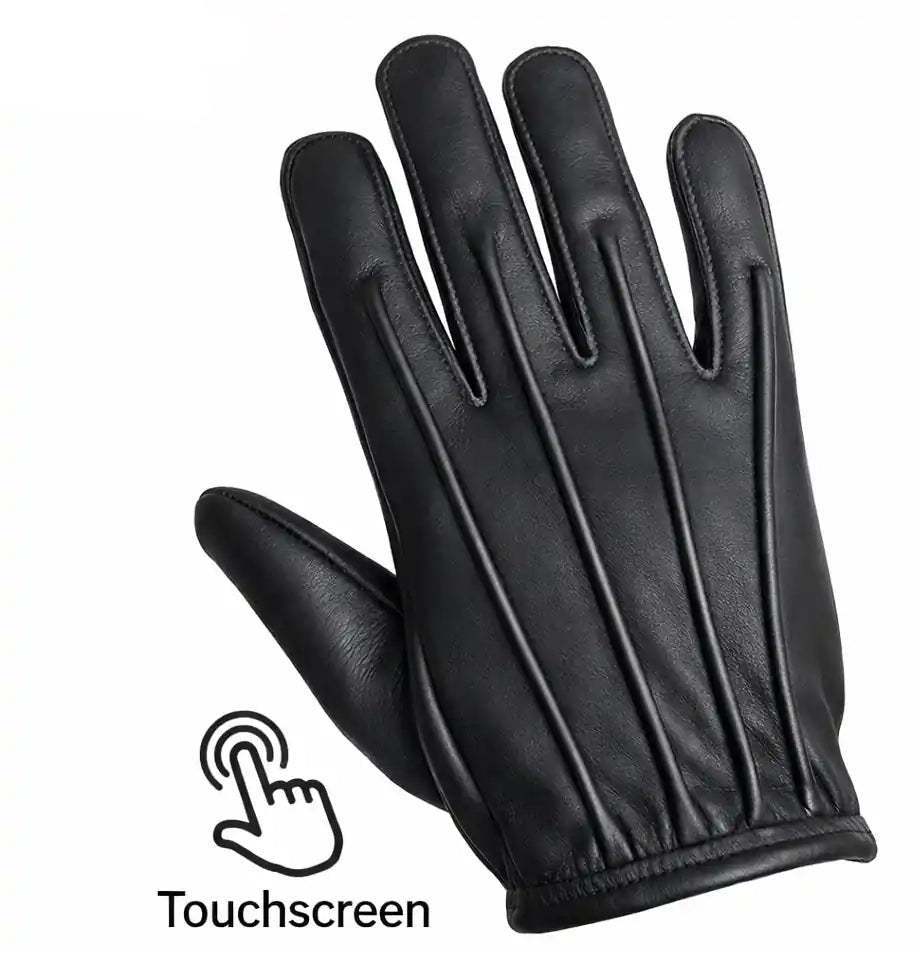
The tradition that American leather craftspeople built through a century of motorcycle culture is carried forward today in the leather motorcycle gloves produced by manufacturers who maintained those skills through the offshore era.
The Golden Age: 1950s-1960s
This was the cultural peak — Marlon Brando, the Hollister rally, American motorcycle culture at the center of popular culture. American leather manufacturers produced the gear that defined this era: honest, minimal, full-grain leather built to last by craftspeople with generational skills. This is the tradition that quality American manufacturers reference today.
Survival and Preservation: 1970s-Present
As mass production moved offshore, small American family businesses maintained traditional leather skills through the 1970s-2000s. These manufacturers — producing leather for industrial, equestrian, and specialist markets alongside riding gear — preserved the skills that define the American leather tradition today.
FAQs
When did American motorcycle leather craftsmanship begin?
1910-1930, as motorcycles evolved from curiosities to serious transportation. Early gear adapted from military, equestrian, and work leather; purpose-made motorcycle gear emerged in the 1920s.
How did WWII shape the tradition?
Military production created manufacturing scale and skills. Returning veterans created the postwar civilian boom that American leather manufacturers served through the 1950s-1960s golden age.
What defined the golden age?
1950s-1960s cultural peak. Brando, Hollister rally, American motorcycle culture at center of popular culture. American leather manufacturers producing honest, minimal, full-grain gear built to last.
How did the tradition survive?
Small family businesses in midwest and west maintained traditional skills through the offshore manufacturing era, producing leather for multiple markets while keeping the craft alive.
Carry the Tradition Forward
Our American-made leather motorcycle gloves are built by the same tradition those manufacturers preserved. Shop our collection and own a piece of American leather history.