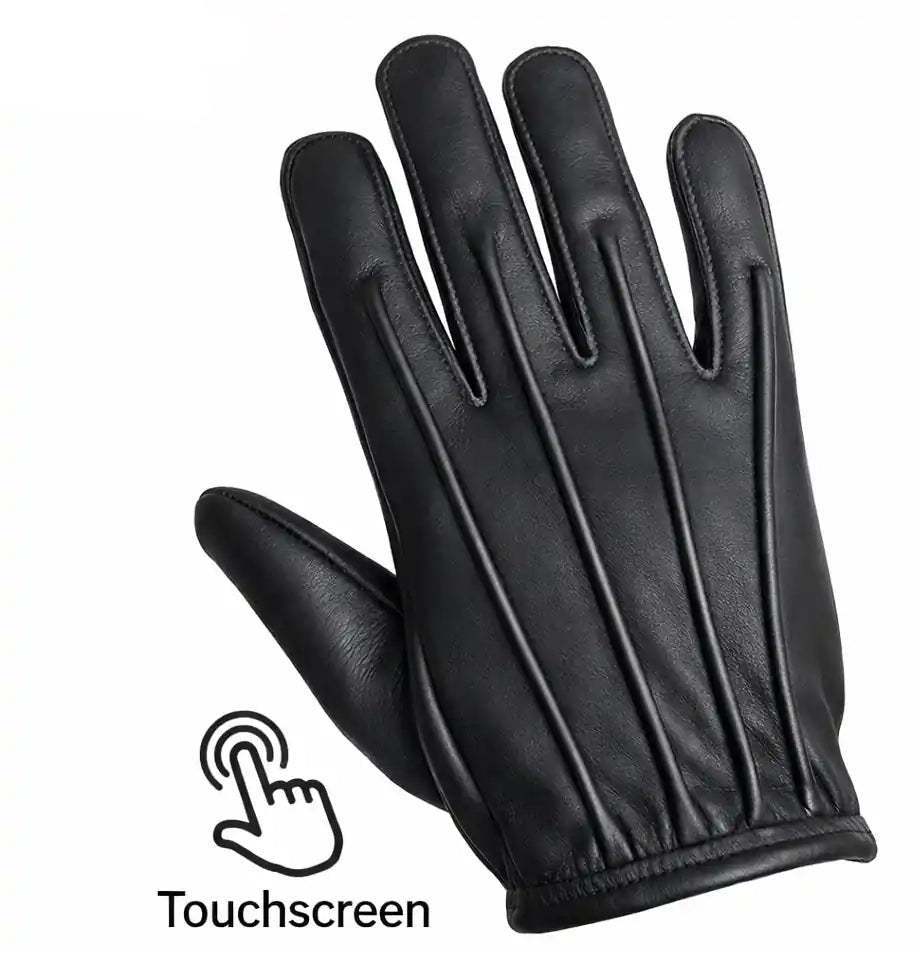
Leather Motorcycle Gloves and Rain: Complete Wet Weather Guide

Updated: Sep 28
Leather Motorcycle Gloves and Rain: Complete Wet Weather Guide
Rain is inevitable in most riding regions. Here is exactly how to handle it with leather motorcycle gloves.
Disclosure: MotoGearRater and Legendary USA have the same owner. Links to legendaryusa.com in this article go to our owner’s store, and are marked as sponsored. How we make money

What Happens When Leather Gets Wet
Water displaces and dilutes natural oils in the leather fiber structure. Initially: the leather becomes more pliable. As it dries without conditioning: it stiffens because the oils are not replenished. Temporary color change (darker when wet, returns to original when dry). Water marks if heavily saturated. The critical response: condition after the leather has fully dried.
Waterproofing Treatment Options
Nikwax Leather Proof: water repellency with maintained breathability, minimal darkening. Sno-Seal (beeswax): excellent water resistance, waxed finish, slight darkening. Conditioning waterproofing products (Leather Honey, Lexol): condition and water-resist simultaneously. Silicone spray: water repellency but no conditioning benefit — avoid as primary treatment. Apply to clean, conditioned leather.
Waterproofing treatment before rain season prepares leather motorcycle gloves to resist saturation — making wet rides more comfortable and reducing the conditioning recovery needed after each rain exposure.
Drying Leather Gloves After Rain
Remove and reshape to natural position. Dry at room temperature with adequate air circulation. No heat sources — dryers, heat guns, radiators. Heat drying causes rapid uneven drying that creates surface cracking and fiber stress. Allow 12-24 hours for heavily saturated gloves. After fully dry: condition to restore oils removed by water exposure.
Riding in Heavy Rain
Leather crash protection is maintained when wet — abrasion resistance doesn't significantly degrade. Waterproofing treatment slows saturation but even waterproofed leather eventually saturates in prolonged rain. Wet leather feels slightly different at controls. Post-rain conditioning is essential over repeated rain exposures. Many touring riders accept rain without a separate rain glove system.
FAQs
What happens when leather gloves get wet?
Water displaces natural oils — leather initially more pliable, stiffens on drying without conditioning. Temporary color change, possible water marks. Critical response: condition after fully dried.

Best waterproofing for leather motorcycle gloves?
Nikwax Leather Proof (repellency with breathability), Sno-Seal (beeswax, excellent resistance), conditioning-waterproofing combo products. Avoid silicone spray as primary treatment. Apply to clean conditioned leather.
How to dry leather gloves after rain?
Reshape and dry at room temperature, adequate air circulation, no heat sources. 12-24 hours for heavily saturated. Condition after fully dry to restore removed oils.
Can you ride in rain with leather motorcycle gloves?
Yes — crash protection is maintained when wet. Waterproofing treatment slows saturation. Post-rain conditioning essential for long-term leather health. Many touring riders accept rain without a dedicated rain glove system.
Ride Through the Rain
Our American-made leather motorcycle gloves are built from full-grain leather that handles wet weather with proper care and waterproofing treatment. Shop the collection and ride through whatever weather comes.