Your First Motorcycle Rally: What Nobody Tells You

Updated: 6 days ago
A first rally goes wrong in about six predictable ways, and almost none are the ones people warn you about. Nobody gets hurt wearing the wrong jacket. They get hurt because they rode 640 miles on day one, slept badly, drank at the campground and then moved the bike.
Disclosure: MotoGearRater and Legendary USA have the same owner. Links to legendaryusa.com in this article go to our owner’s store, and are marked as sponsored. How we make money
This is what we would tell a friend who has never been. It is not rally etiquette, because most of that is invented. It is the handful of decisions that decide whether your first rally is the start of something or the end of it, plus five events we would send a beginner to first.

Book It Before You Decide to Go
The most common first-timer mistake is a scheduling one. You decide in June you might go in September, you look at lodging in August, and everything within thirty miles is gone or tripled. A town of four thousand does not grow rooms because forty thousand riders are coming.
The structural stuff goes earlier still. At the Barber Vintage Festival a camping pass covers the spot and one tow vehicle only, so everyone aged 16 and over needs a three-day wristband on top. The fix is unglamorous: book something refundable the week you first think about it. Our 2026 to 2027 rally calendar has 84 events with dates verified against the organizer, which is the point at which booking early is safe.
The Ride There Is the Dangerous Part
NHTSA's 2023 data put 6,335 motorcyclists killed on US roads at 31.39 deaths per 100 million vehicle miles traveled, almost 28 times the passenger car occupant rate of 1.13. Those are mostly not rally miles. They are the interstate you use to get there.
Fatigue is the specific problem. NHTSA recorded 644 deaths in drowsy-driving crashes in 2024, and its earlier estimate of roughly 91,000 police-reported drowsy-driving crashes a year comes with its own warning that the number is an underestimate. The crash it describes is a single vehicle at speed, no braking, on a rural road or highway, in the small hours or the late afternoon. That is somebody riding to a rally. NHTSA is blunt about what does not work: coffee alone is not enough, and a sleep-deprived driver can drop into a micro sleep of four or five seconds. It recommends a 20-minute nap at a safe stop with caffeine alongside.
So plan short, and split whatever the map calls an eleven-hour day. If you are riding in with people, read the MSF's group riding guidance first: five to seven riders, staggered with at least one second to the rider ahead in your third of the lane, single file with a two-second minimum on curvy roads, and a riders meeting to agree route and fuel stops.
Drinking, Honestly
Here are the numbers instead of the lecture. In 2023, 26 percent of motorcycle riders in fatal crashes were alcohol-impaired at a BAC of .08 or higher, against 24 percent of car drivers. Among riders killed in single-vehicle crashes it was 41 percent, against 18 percent in multi-vehicle crashes, and 47 percent of motorcyclist deaths happened on a weekend.
The MSF puts clearance at roughly one hour for each bottle of beer, glass of wine or shot of liquor, and its advice is as direct as safety writing gets: if you are going to drink, do not even think about riding. The practical version is one decision made before you leave, which is to stay somewhere you can walk back to. Do that and you remove the biggest risk of the weekend while sober.
Heat, Crowds, and What Actually Gets Stolen
Heat gets people at rallies because a rally is not riding. Airflow is what makes gear bearable, and at a rally you are off the bike far more than on it, standing on asphalt in leather at noon. NIOSH's guidance for moderate activity in heat under two hours is eight ounces of water every 15 to 20 minutes, a ceiling of six cups an hour, and no alcohol or drinks high in caffeine or sugar. Over a six-hour day on your feet that is a lot of water, and beer counts against you.
Parking is the other thing nobody explains. Hot soft asphalt swallows a sidestand, so carry a puck or a flattened can, and park nose-out. Getting a heavy bike out from between two others in front of an audience is how first-timers drop them.
On theft, the NICB counted 54,736 motorcycle thefts reported in the US in 2022, up 7 percent on 2021. Thefts climbed from a February low of 2,879 to a July peak of 6,394, and every month from May through October ran above average. Rally season and theft season are the same season. NICB's advice is the obvious list done properly: park in light, take the key, keep the title off the bike, and never walk away from a running motorcycle. What usually goes missing at a rally is not the bike. It is the helmet on the mirror and whatever sat in an unlocked saddlebag.
Good First Rallies, and Why These Ones
A big rally is a bad first rally. These are on our calendar, verified, and each is forgiving in a specific way:
Oyster Run, Anacortes, Washington, September 27, 2026. Free, one day, downtown, with no official start point, required route or schedule. Vendors run 9am to 5pm and the Seattle Cossacks drill team performs at 11am and 1pm.
Slimey Crud Cafe Racer Run, Pine Bluff to Leland, Wisconsin, October 4, 2026. Free, no registration, no sponsors, no organization. Riders leave the Red Mouse in Pine Bluff around 10am and reach Sprecher's in Leland by 1pm on any route they like, the towns being under 30 miles apart.
Barber Vintage Festival, Birmingham, Alabama, October 9 to 11, 2026. Ticketed, one venue, everything inside a fence. Motorcycles park free all weekend, trams circulate the property, and the camping has permanent restrooms and showers. A rally you never have to ride again once you arrive is a good first one.
Four Corners Motorcycle Rally, Durango, Colorado, September 3 to 6, 2026. Labor Day weekend, with flat track racing, group rides, stunt shows, a bike show and a rodeo. The riding in that corner of Colorado is the reason to go.
Americade, Lake George, New York, June 2 to 5, 2027, with an opening celebration on June 1. Demo fleets from more than 16 manufacturers, rider training clinics, seminars and guided Adirondack rides. The organizer says it draws 100,000 a year. If you want a first rally that teaches you something, this is it.
What to Wear When You Are Off the Bike More Than On It
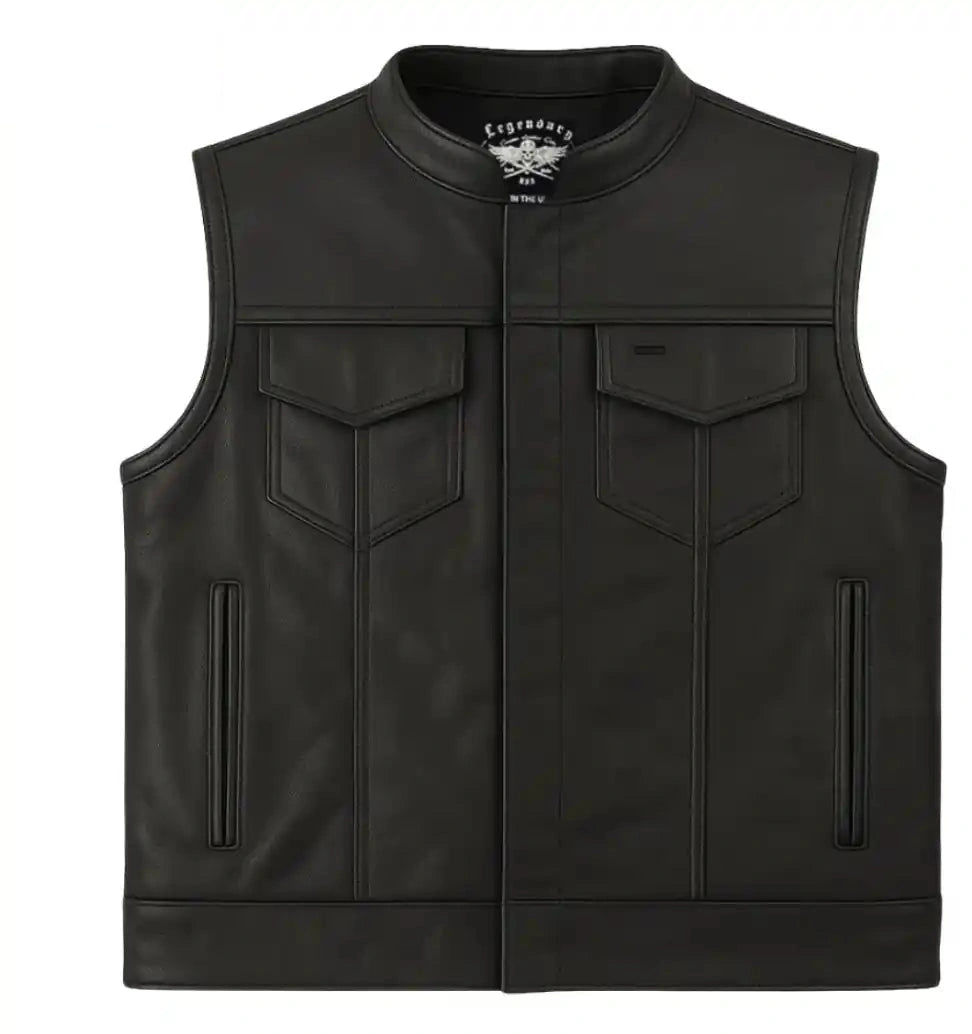
One outfit has to work at 80 mph on an interstate and standing in the sun for six hours. Textile touring kit is right for the first and unbearable for the second, and a t-shirt is the reverse. A lightweight Cordura vest from $179.99 blocks wind at speed and stays on when you walk into a bar. The Classic Short Wrist Touchscreen Deerskin Gloves are comfortable to roughly 60F at $120 and work a phone, and our glove buying guide lays out the range. Prices verified August 2026.
Now the honest part. That deerskin is not armor. It is unlined, has no CE rating, and protects against wind and abrasion, not impact. Certified protection for the approach miles is a different purchase: the Bohn Airtex Mesh Armored Riding Shirt at $229.99 is CE Level 2 and wears under a normal shirt, and Held and Alpinestars make gloves with certified impact protection deerskin does not attempt. Buy armor for the ride there and leather for the weekend.
Common Questions
How many miles should I plan for the ride there? Fewer than you think, split across more days than feels necessary. NHTSA describes drowsy-driving crashes as typically single-vehicle, at speed, with no braking, on rural roads and highways, which is what a long final push into a rally town looks like.
Do I need a vest or patches to fit in? No, and you should not buy your way into looking like something you are not. Plain gear is fine everywhere and no rally on this calendar has a dress code. Leave anything resembling club colors alone, do not sit on somebody else's bike, and do not photograph patches uninvited.
Is it safe to leave my bike overnight? Usually, with the obvious precautions. NICB data shows more than 40 percent of stolen motorcycles are recovered, but the better plan is staying out of that number: park in light, take the key, use a disc lock, and take the helmet and anything loose with you.
Make Your First One a Small One
Your first rally should be a one-day, free, ride-home-that-night event, not a week in a tent five states away. Oyster Run and the Slimey Crud Run cost nothing but fuel and tell you within four hours whether this is your thing.
The rest is simple: book earlier than feels sensible, ride fewer miles a day than the map allows, stay somewhere you can walk back to, and buy armor before leather. The full 2026 to 2027 rally calendar has 84 events with organizer-verified dates, and the small ones are usually the better place to start.