ATGATT for Beginners: What It Really Means

Updated: Sep 28
ATGATT stands for All The Gear, All The Time — and it means exactly what it says. Every ride, every time, no exceptions: helmet, jacket with armor, gloves, riding pants, and boots. It's not a slogan. It's the standard that experienced riders adopt because they know what happens when asphalt meets skin.
Disclosure: MotoGearRater and Legendary USA have the same owner. Links to legendaryusa.com in this article go to our owner’s store, and are marked as sponsored. How we make money
Key Takeaways

ATGATT = All The Gear, All The Time — full protective gear on every single ride
Most motorcycle crashes happen close to home, at low speeds, on familiar roads
CE-rated armor in jackets and pants is the benchmark for impact protection
Gear doesn't have to be expensive — entry-level CE-certified gear protects well
The five core pieces: helmet, jacket, gloves, riding pants, boots
Skipping gear "just for a quick run" is when most riders get hurt
Why ATGATT Exists
Motorcycle riding carries real risk. According to NHTSA data, motorcyclists are roughly 24 times more likely to die per vehicle mile traveled compared to car occupants. That statistic isn't meant to scare you off the bike — it's meant to explain why experienced riders don't gamble with gear.
The phrase "ATGATT" emerged organically from the riding community, not from any manufacturer or safety organization. Riders who had been down, or who had watched friends go down, started preaching the same message: wear everything, every time. No exceptions for short trips, sunny days, or slow speeds.
Here's the uncomfortable truth: most crashes happen within 25 miles of home, at speeds under 40 mph, on roads you ride every week. The commute you've done a hundred times is where complacency gets you.
The Five Pieces of ATGATT Gear
1. The Helmet
Your helmet is non-negotiable. Head injuries kill riders and cause permanent disability. A DOT FMVSS 218-certified helmet is the legal minimum in most US states. For real protection, look for helmets with ECE 22.06 or Snell M2020 certifications — these are tested more rigorously than the DOT standard.
Full-face helmets offer the most coverage. Modular helmets are a solid second if you need ventilation on longer rides. Half helmets protect the top of your skull but leave your face and chin exposed — statistically the most common impact zones.
Budget doesn't have to mean compromised safety. Brands like Bell, HJC, and Scorpion offer ECE-rated lids in the $150–$250 range that perform well in independent testing.
2. The Jacket
A riding jacket isn't a fashion choice — it's abrasion resistance and armor in one piece. Look for jackets made of leather (1.2mm+ cowhide or horsehide) or CE-rated textile materials like Cordura.
The armor matters as much as the material. A jacket should have CE Level 1 or Level 2 armor in the shoulders and elbows at minimum. A CE Level 2 back protector is worth adding — either built-in or as an insert.
For beginners, a solid textile jacket with CE Level 1 shoulder/elbow armor and a back protector slot is a practical starting point. You can upgrade to leather as your riding matures.
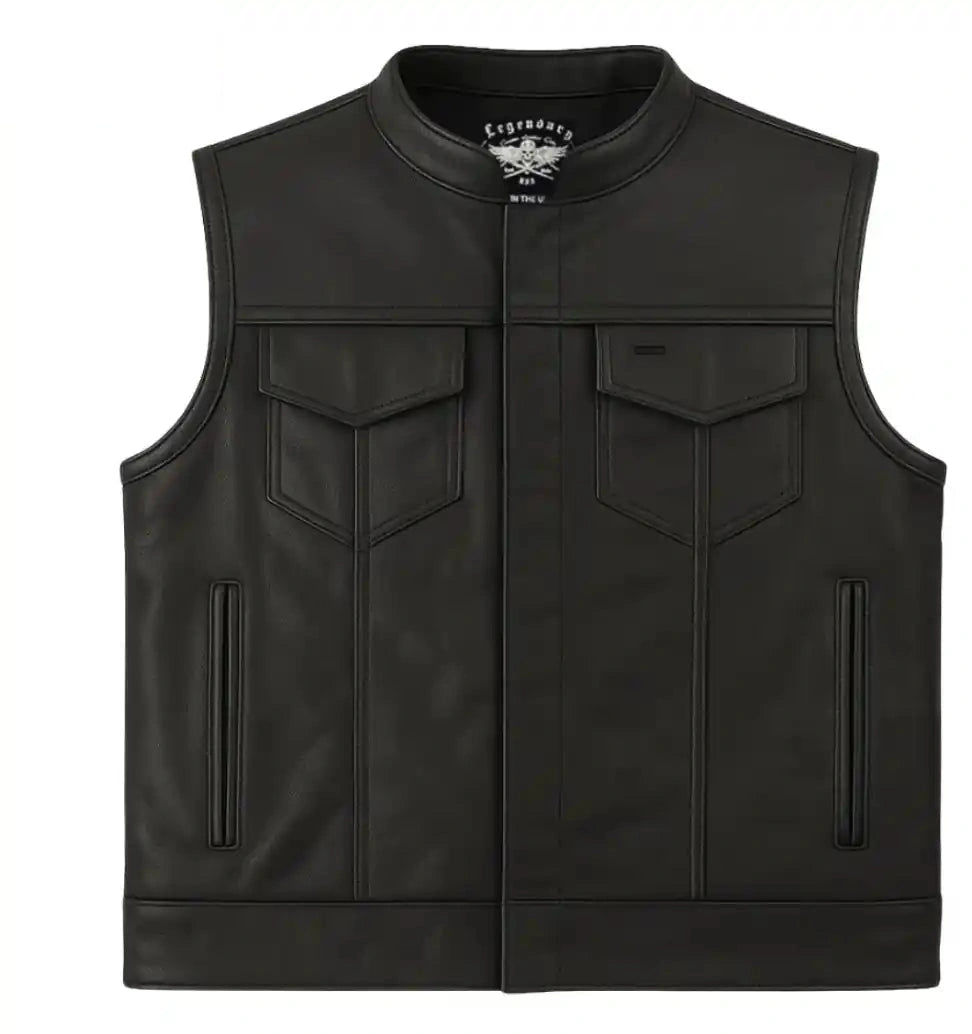
If you want to see what well-made American gear looks like, Legendary USA's riding jacket lineup is worth a look. Their leather is built to last years, not seasons.
Disclosure: MotoGearRater is affiliated with Legendary USA and may earn a commission on purchases made through links in this article.
3. Gloves
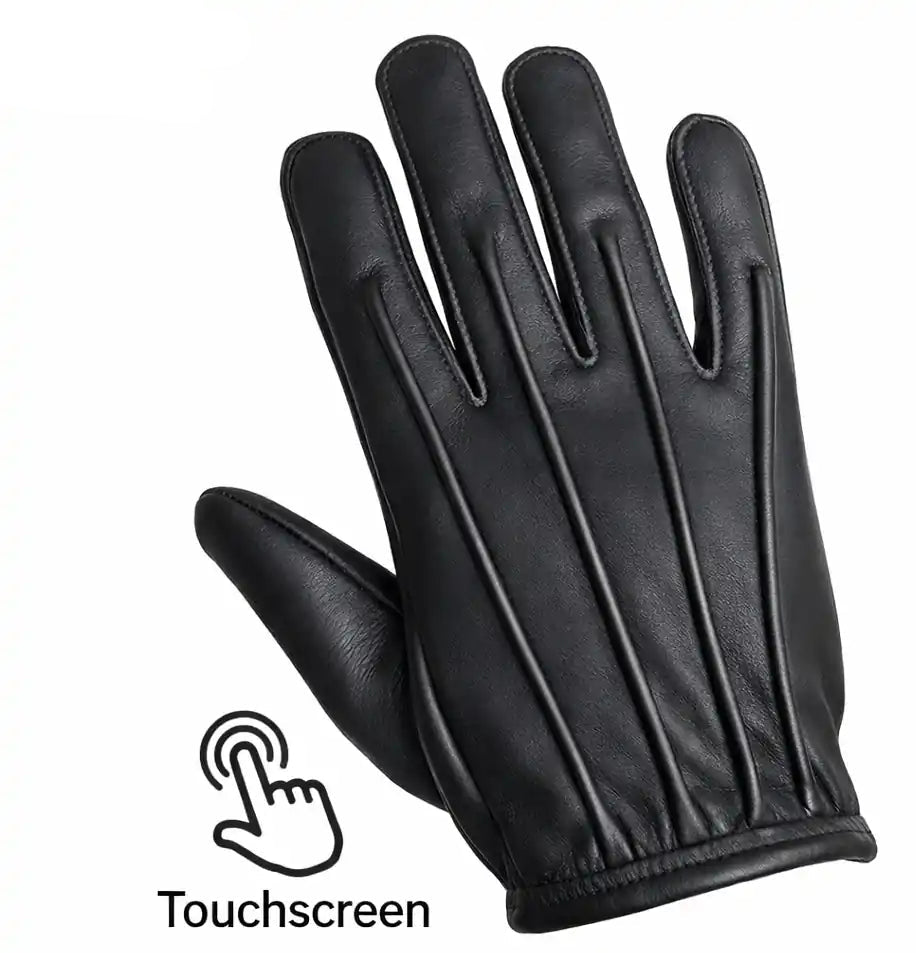
Your hands go down first in a crash — it's instinct. Without gloves, palms and fingers take the full force of the pavement. With gloves, you keep your hands intact.
Look for gloves with CE EN 13594 certification. Level 1 is acceptable; Level 2 is better. Hard knuckle protection is worth prioritizing. Leather gloves handle abrasion better than textile, but quality textile gloves with TPU knuckle guards are a solid budget option.
Fit matters. Gloves should be snug but not restrict blood flow. Wrist straps that close securely prevent the glove from coming off on impact — which defeats the entire purpose.
4. Riding Pants
Regular jeans offer almost zero abrasion protection. At 30 mph, denim disintegrates on pavement in under a second. Riding jeans with Kevlar or Dyneema lining and CE-rated hip and knee armor are the minimum worth considering.
Textile riding pants — Cordura or similar — offer better protection and often come with armor pockets already fitted. They're not glamorous but they do the job.
For warmer months, mesh riding pants with CE armor keep airflow moving while still protecting. Cold-weather riders should look for textile pants with thermal liners or wear armored base layers underneath.
5. Boots
Ankle injuries are among the most common in motorcycle crashes. Your feet and ankles take enormous stress in a slide or tip-over. Motorcycle-specific boots provide ankle support, oil-resistant soles, and often reinforced toe boxes.
You don't need motocross-style race boots for street riding. A good pair of motorcycle-specific casual boots — like the Dainese Street Rocker or TCX Street Ace — looks normal off the bike but provides real ankle protection on it.
Common Objections to ATGATT
"It's too hot to wear all that gear"
Summer riding gear has evolved significantly. Mesh jackets, ventilated textile pants, and perforated leather gloves all move air while still protecting. You'll be more comfortable in breathable riding gear at 60 mph than in a t-shirt trapping heat.
"I'm only going a few miles"
Distance doesn't protect you. Speed doesn't protect you. Most crashes happen close to home at low speeds. The quick grocery run is exactly when riders skip gear — and exactly when they end up in the ER.

"Gear is too expensive"
A complete entry-level ATGATT setup — helmet, jacket, gloves, pants, boots — can be assembled for under $600 if you shop smart. That's considerably less than a co-pay for treating road rash across your entire arm, which can run into thousands.
For gear that punches above its price, check our guide to the best beginner motorcycle gear setups.
Building Your ATGATT Kit as a Beginner
Start with the most critical pieces and fill in the rest as budget allows. The order of priority: helmet first, then jacket, gloves, boots, and pants. Don't ride without a helmet — that's the one non-negotiable even if you're building your kit gradually.
Buy gear that fits correctly. Gear that's too large will shift and fail to protect where it should. Try on helmets in person if possible, or buy from retailers with good return policies so you can exchange for the right size.
For American-made gloves and leatherwork that'll outlast budget imports, Legendary USA ships directly to riders across the US.
You can also read our full review of what CE armor actually means and why it matters for a deeper dive on protection standards.
Frequently Asked Questions
What does ATGATT stand for?
ATGATT stands for All The Gear, All The Time. It's a rider philosophy — not a formal organization — that means wearing full protective equipment on every single ride without exceptions for distance, speed, or weather conditions.
Do I really need to wear gear for short trips?
Yes. NHTSA and insurance data consistently show that the majority of crashes occur within 25 miles of home, often on routes riders know well. Familiarity creates complacency, and complacency is when crashes happen. Gear up for the short rides the same as the long ones.
What's the minimum gear I should wear?
At absolute minimum: a DOT/ECE-certified helmet. Realistically, for meaningful protection: add an armored jacket, gloves, and footwear with ankle support. Riding pants complete the picture. Each piece you skip is a surface area of unprotected skin.
Is ATGATT required by law?
Helmet laws vary by state. California, New York, and most other states require DOT-certified helmets for all riders. Some states have partial laws (18-and-under only) or no helmet laws at all. ATGATT goes beyond legal minimums — it's about protecting yourself, not just complying with law.
What certifications should I look for in riding gear?
For helmets: DOT FMVSS 218, ECE 22.06, or Snell M2020. ECE 22.06 is currently the most comprehensive internationally-recognized standard. For jacket and pant armor: CE EN 1621-1 and 1621-2 (Level 1 or Level 2). For gloves: CE EN 13594.
Can I wear regular clothes under my riding gear?
Yes. Most riding gear is designed to layer over everyday clothes. In hot weather, moisture-wicking base layers help with comfort. In cold weather, thermal base layers add insulation. The riding gear goes on top regardless of what's underneath.
The Bottom Line
ATGATT isn't about fear — it's about making a rational decision every time you throw a leg over the bike. Experienced riders wear gear because they've done the math: the inconvenience of gearing up is nothing compared to the consequences of going down unprotected.
Start with what you can afford, buy the best quality within your budget, and wear it every time. No shortcuts. Check out our full beginner motorcycle gear checklist to put together your complete kit.