Best All-in-One Starter Gear Packages for New Riders

Updated: Sep 28
A starter gear package for new riders should cover all five protection zones — helmet, jacket, gloves, boots, and pants — with CE-certified armor and protection-grade materials in each. You don't need to buy everything from one brand, and you don't need to spend a fortune. Here's how to build a complete starter kit that actually protects you, whether you're working with $600 or $1,200.
Disclosure: MotoGearRater and Legendary USA have the same owner. Links to legendaryusa.com in this article go to our owner’s store, and are marked as sponsored. How we make money
Key Takeaways

A complete starter kit covers all five zones: helmet, jacket, gloves, boots, and riding pants
You don't need matching brand sets — buy the best fit and specs in each category independently
CE-certified armor in the jacket, gloves, and pants is required for protection-grade gear
DOT or ECE 22.06 certified helmet is non-negotiable regardless of budget
$650 minimum for a genuinely protective full kit; $900–$1,000 for solid all-around gear
Why a Complete Kit Matters
Gear Is a System, Not a Single Piece
One of the most common mistakes new riders make is buying one great piece of gear and leaving the rest of their body unprotected. A premium helmet with no jacket and no gloves still leaves your arms, hands, and torso exposed in a crash. The five gear categories exist because each covers a different part of your body that hits the pavement in different crash scenarios.
ATGATT — All The Gear, All The Time — isn't just a rider slogan. It's a practical acknowledgment that you don't get to control which parts of you make contact with the road when you go down.
The Starter Kit Philosophy
A starter kit should prioritize genuine protection over brand prestige, feature sets, or advanced materials. As a new rider, you're learning your riding style, your climate needs, and what features matter to you. Buying solid protection-grade basics in year one, then upgrading specific pieces as you understand your needs better, is smarter than overbuying features you may not use.
What Goes in a Complete Starter Kit
Helmet
A DOT-certified full-face helmet from a reputable manufacturer, ideally with ECE 22.06 certification for independent verification. Budget $150–$300. Fit is the most important variable — try multiple brands and shapes before committing.
See our complete beginner helmet guide for what certifications mean and what to look for at different price points.
Jacket
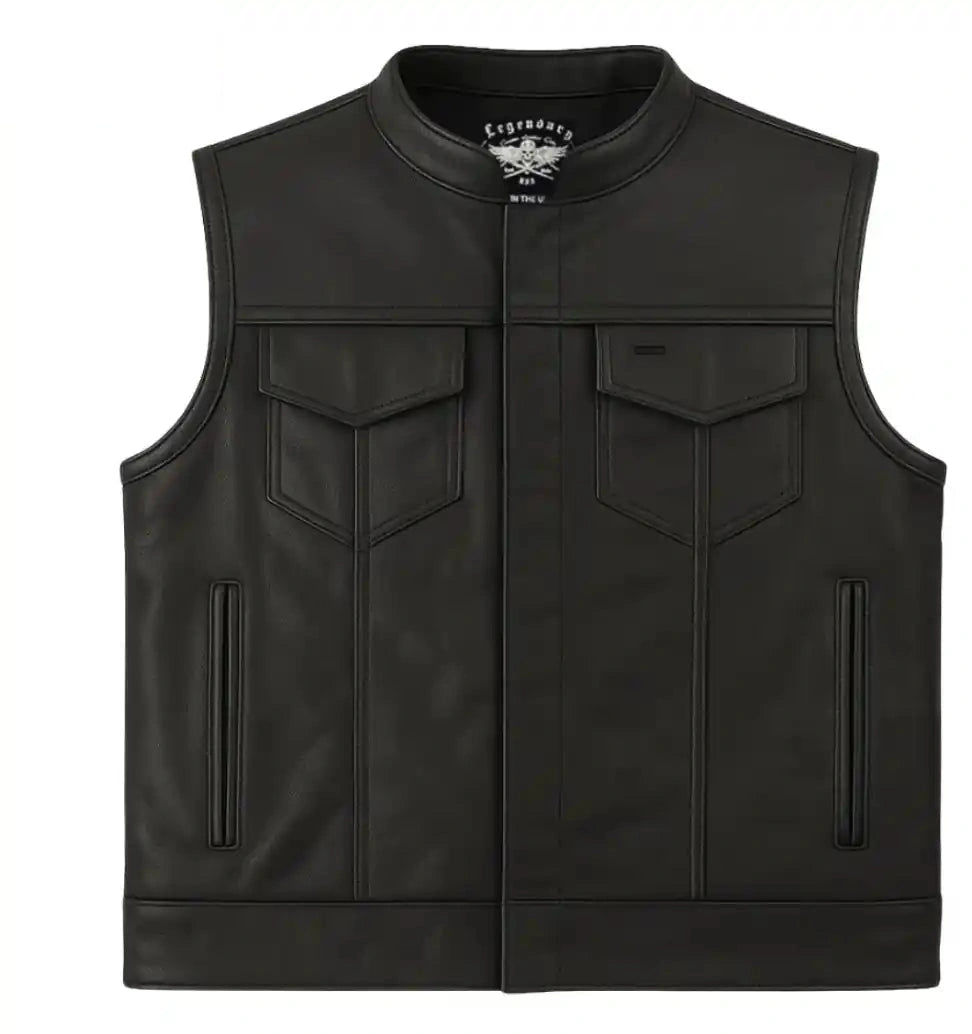
CE EN 1621-1 certified armor at elbows and shoulders, CE EN 1621-2 certified back protection, in either quality leather (1.0mm+ cowhide) or 500D+ textile. Budget $200–$350. Fit in riding position is critical — test with your arms forward.
For US-made leather jacket options with verified construction, Legendary USA's motorcycle jacket lineup is worth checking alongside the mainstream gear brands.
Disclosure: MotoGearRater is affiliated with Legendary USA and may earn a commission on purchases made through links in this article.
Gloves
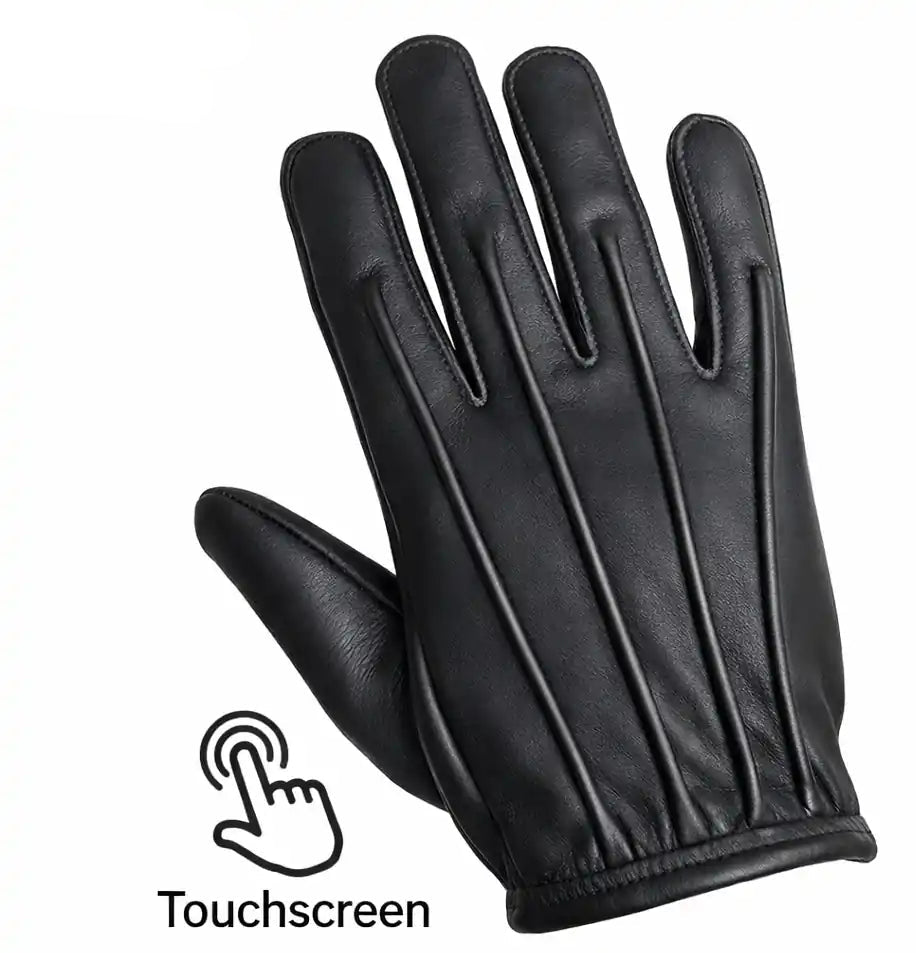
Hard-shell knuckle guards, a palm slider or reinforced leather palm, and a secure wrist closure. CE EN 13594 certified preferred. Budget $60–$130. Gloves should fit snugly without cutting circulation — fingertips reaching the glove end without being compressed.
Boots
Above-ankle motorcycle-specific boots with ankle protection and a non-slip sole. At minimum, the boot should cover and support the ankle joint. Full motorcycle riding boots with CE ankle protection start around $100–$150 and are worth the investment from day one.
Riding Pants
CE-certified armor at knees and hips, in either textile overpants or riding jeans. Budget $80–$180. Riding overpants that go over street clothes add flexibility; riding jeans look casual off the bike. Both work — the armor is what matters.
Starter Kit Builds at Three Budget Levels
Budget Build: ~$650
This build prioritizes genuine protection across all five zones without premium features. Every piece has real CE-certified armor and comes from an established manufacturer.
Helmet: $175 — HJC or Bell full-face, DOT/ECE certified
Jacket: $220 — Alpinestars or REV'IT! textile, CE Level 1 armor
Gloves: $65 — hard-shell knuckle, palm reinforcement
Boots: $100 — entry riding boot with ankle protection
Pants: $80 — CE-armored textile overpants
Total: ~$640. Every zone covered, every piece CE-armor capable. This is the floor for a genuinely protective kit.
Mid-Range Build: ~$950
This build adds better fit systems, CE Level 2 armor where available, and more versatile weather handling.
Helmet: $260 — Bell or Shoei entry model, DOT/ECE 22.06
Jacket: $320 — textile with CE Level 2 armor, removable thermal liner, waterproof
Gloves: $110 — CE EN 13594 certified, full wrist protection
Boots: $150 — dedicated riding boots with CE ankle protection
Pants: $130 — riding jeans with CE Level 2 knee/hip armor
Total: ~$970. Better protection at impact zones, better weather management, more comfortable for longer rides.
Well-Equipped Build: ~$1,300
This build includes premium materials, higher certification standards, and four-season capability.
Helmet: $350 — ECE 22.06 or Snell M2020, premium fit system
Jacket: $450 — leather or laminated textile, CE Level 2 at all zones
Gloves: $150 — CE EN 13594 Level 2, all-season coverage
Boots: $200 — adventure or touring boots, CE EN 13634 certified
Pants: $150 — armored textile pants with removable liner
Total: ~$1,300. Top certification standards across all five zones, built for daily and long-distance use from day one.
Brand Matching vs. Mix and Match
You Don't Need a Matched Set
Despite what gear brand marketing implies, you don't need to buy your entire kit from one manufacturer. Protection specs, fit, and value are more important than brand consistency. A Bell helmet with Alpinestars jacket and Rev'It gloves is a fine combination if each piece fits correctly and has the right specs.

When Brand Matching Matters
One area where brand matching can matter: jacket and pants connector zippers. Some manufacturers design their jackets and pants with a compatible connector zipper that joins them at the waist, keeping the jacket from riding up in a crash. If this feature matters to you, check compatibility within a brand's own jacket and pant lineup.
Used Gear in a Starter Kit
What's Safe to Buy Used
Jackets, gloves, and boots in good condition from known sources can be incorporated into a starter kit. Inspect seams, check armor for compression or cracks, verify no crash history, and confirm the fit is correct. Buying a used $400 jacket for $180 is a legitimate strategy if the gear checks out.
What to Never Buy Used
Never buy a used helmet from an unknown seller. You cannot verify crash history, and an EPS liner that has been impacted once is compressed permanently — the damage is invisible externally. For helmets, buy new or buy used from someone whose history you can verify completely.
Upgrading Your Kit Over Time
Your starter kit is a starting point, not a permanent setup. As you put miles on and understand your riding better, you'll naturally identify the pieces to upgrade first. Common first upgrades: a dedicated summer mesh jacket, better gloves for your specific climate, and dedicated riding boots if you started with a basic option.
For a full roadmap to building your kit from the first purchase through year-one upgrades, see our complete beginner motorcycle gear guide.
Frequently Asked Questions
Do I need to buy everything at once?
No — but you should prioritize getting complete coverage sooner rather than later. The minimum you should be on the road with is a helmet, jacket, and gloves. Add boots and pants as quickly as budget allows. Riding in street shoes and regular pants isn't ideal, but riding without a helmet is genuinely dangerous.
What if I outgrow or change riding styles after buying a starter kit?
Starter kit gear can typically be repurposed or resold. A good leather jacket holds resale value. Textile touring gear is flexible enough for most riding styles. If your riding style changes dramatically — say, from commuting to adventure touring — you'll want to add category-specific pieces, but your original starter gear rarely becomes useless.
Is one kit enough for all weather?
Usually not. A single jacket typically handles a comfortable temperature range of about 20°F before you're either too hot or too cold. For year-round riding, plan for at least a thermal liner option for cold weather and either a ventilated jacket or a rain suit for summer riding.
Can I use my gear for track days?
Street gear meets track day minimums at many track day organizers — specifically a full-face helmet (ECE or Snell preferred), leather jacket, gloves, and boots. Some tracks require full leather suits for faster groups. Check the specific track day organizer requirements before assuming your street kit is track-ready.
Should I buy at a physical store or online?
For a first kit, in-store for the helmet is strongly recommended so you can try multiple fits. For the jacket, in-store is preferable but online with a solid return policy works if you know your measurements. Gloves, boots, and pants can be ordered online more confidently once you've established your sizing in those categories.
How long will a starter kit last?
A quality starter kit should last 3–5 years of regular riding. Helmets should be replaced after five years regardless of condition or after any crash. Jackets and boots can last longer with proper care. Gloves typically wear faster than other gear categories — budget for a replacement pair after 2–3 years of regular use.
Build Your Kit, Then Go Ride
A complete starter kit built on protection-grade specs doesn't need to be complicated or expensive. Five categories, solid CE-certified armor in each, a helmet from a reputable brand that fits — that's the whole picture. Everything else is refinement that comes with time and miles.
For US-made leather options across jackets and gloves, check Legendary USA's collection. For a full category-by-category breakdown of what to look for in each piece, read our MotoGearRater complete beginner motorcycle gear guide.
Get the kit together. The rest of the learning happens on the road.