Best Reflective Motorcycle Gear for Night Riding

Updated: Sep 2
Motorcycles are already difficult for other drivers to detect in daylight. At night, that problem compounds. The combination of a smaller profile, no exterior lighting beyond the headlight, and a driver's reduced visual attention after dark creates conditions where visibility becomes a genuine survival variable — not a peripheral concern.
The gear exists to address this. Whether you use it is a choice worth making deliberately.

The Visibility Problem in Numbers
Studies on motorcycle crashes consistently show that a significant portion of multi-vehicle incidents involve the other driver not seeing the motorcycle. Nighttime multiplies this risk. Human peripheral vision degrades significantly in low light; depth and speed perception deteriorates; and a motorcycle's profile — narrow, lower than a car — becomes even harder to pick up against a complex visual background.
The core issue is contrast. A dark jacket against a dark road environment gives a driver's eye no signal to process. Visibility gear — whether reflective or hi-viz — creates contrast where there otherwise isn't any.
Reflective vs Hi-Viz: They're Not the Same Thing
These terms get used interchangeably, but they work differently.
Hi-viz (high visibility) refers to fluorescent colors — typically yellow-green or orange — that appear brighter than the background in daylight and low light conditions like dawn, dusk, and overcast days. Hi-viz works because fluorescent materials convert UV light into visible light, making the surface appear to glow. It's effective in daylight and twilight. It does not glow in full darkness without a light source to convert.
Reflective material is retroreflective — it returns light directly back toward its source. It requires a headlight or other direct light source aimed at it to work. In full darkness, a reflective strip does nothing until a vehicle's headlights illuminate it. When they do, the return is intense and visible at distance. At night, a properly retroreflective jacket panel can be seen from several hundred feet away under a car's headlights.
The practical implication: hi-viz is most useful during the day and in transitional light. Reflective material is what matters at night, in parking lots, and in any situation where a direct light source is present. The two systems complement each other; they don't substitute.
Where Reflective Material Should Sit
Retroreflective material is most effective at the edges of the human silhouette — the parts of the body that define the visible outline to an approaching driver. Shoulders, upper arms, and back are the primary zones. Reflective material buried in the center of a jacket's back panel is less effective than reflective piping along the sleeve edges or across the shoulder yoke.
Movement also matters. Studies in pedestrian and cyclist visibility have shown that reflective material on moving limbs — arms and legs — is more effectively detected by the human visual system than reflective material on the static torso. Wrist-level reflective cuffs and knee-level leg reflectors take advantage of this.
The best gear combines both: back panel reflectivity for broad surface area, plus shoulder and sleeve edge detailing for limb-movement visibility.
Built-In Reflective Elements vs Aftermarket Add-Ons
Gear with integrated reflective panels is the cleaner solution — the reflective material is designed into the jacket's construction and won't shift or peel. Look for retroreflective panels (not just light-colored fabric) with measurable retroreflectivity. Some manufacturers use decorative "reflective-looking" trim that doesn't actually perform well; EN 13594 and similar standards apply to the reflective performance of specific components.
Aftermarket add-ons — reflective vests, reflective tape, clip-on reflectors — work but require consistent use. A reflective vest stored in a bag does nothing. The advantage of aftermarket options is adaptability: you can add visibility to a jacket you already own and like without buying new gear.
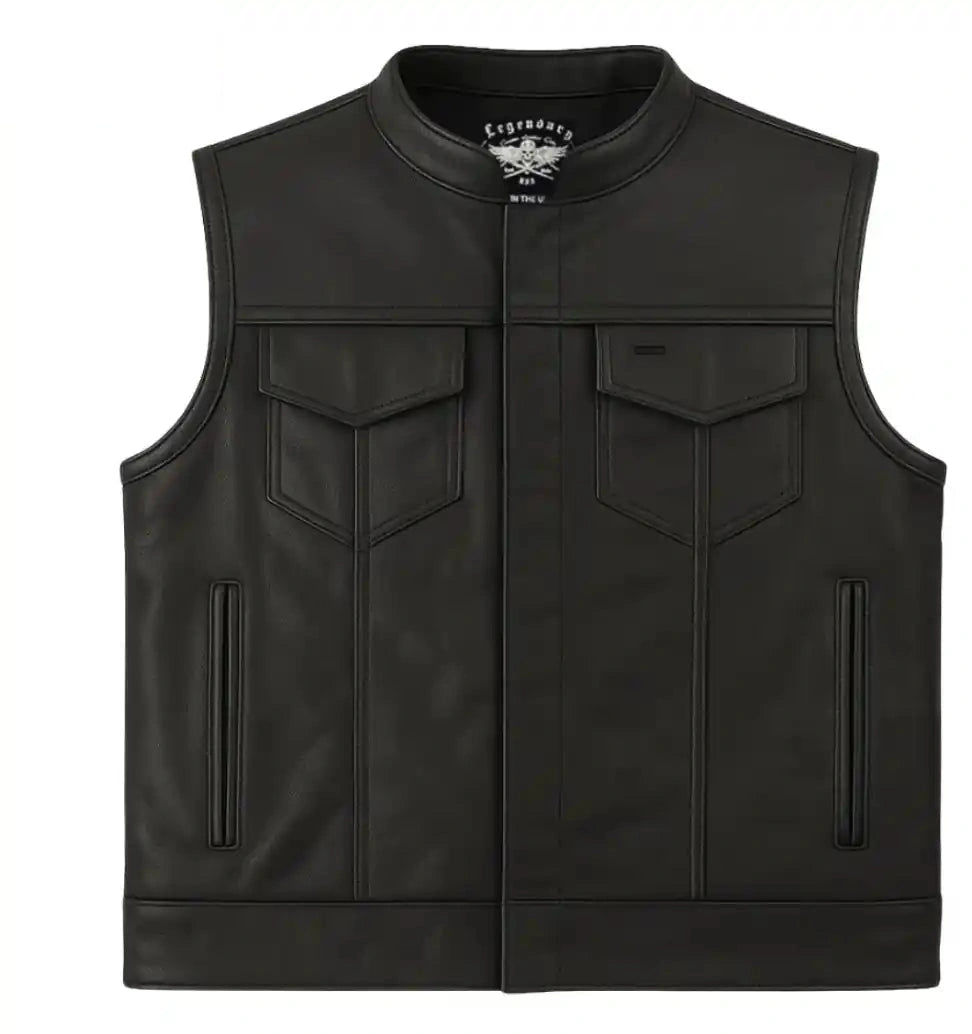
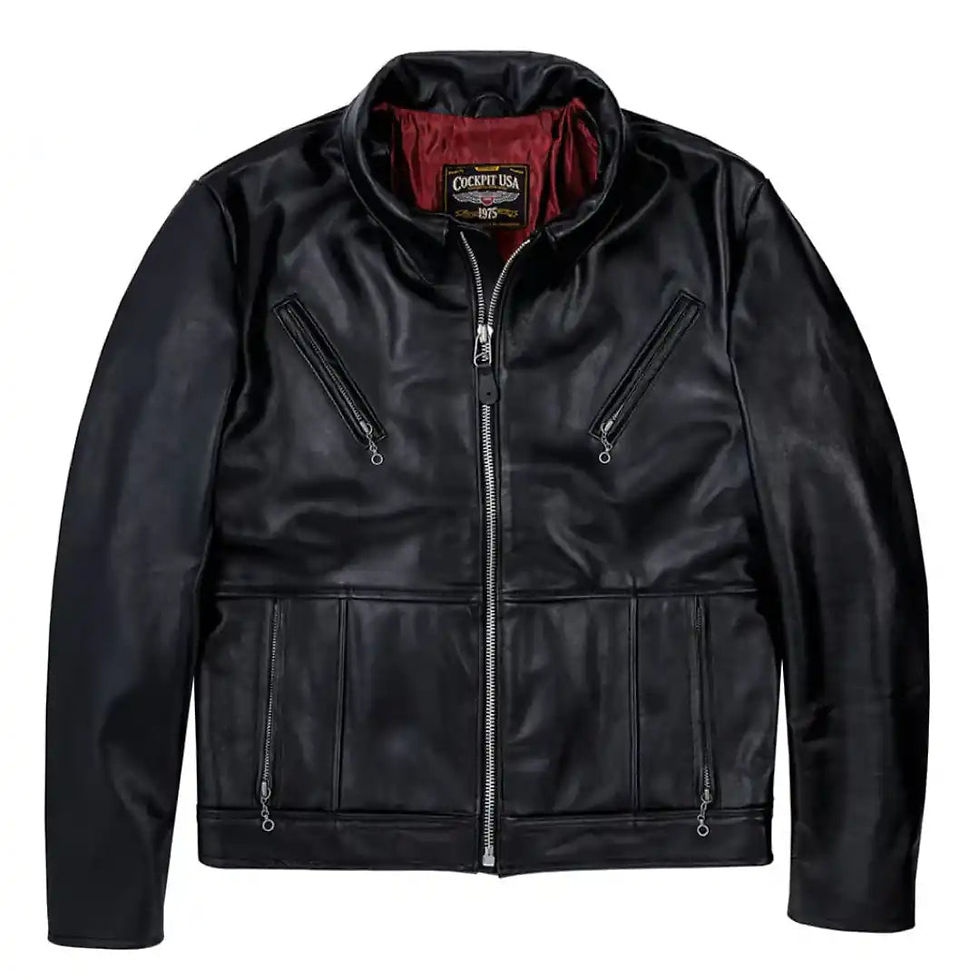
For riders who resist hi-viz aesthetics (and this is a legitimate concern — gear you won't wear is useless gear), reflective piping on a black jacket is a practical middle path. At night under headlights, the retroreflective elements light up regardless of the jacket's base color. During the day, it reads as a dark jacket with some detailing. You don't have to choose between looking like a construction worker and being invisible.
Products Worth Considering
Oxford Bright reflective jacket: Designed specifically for night riding, uses high-performance retroreflective panels across the back, shoulders, and sleeves. Less comfortable for full-day riding but excellent for commuters who regularly ride in darkness.
REV'IT! Airwave / Signal series: Several REV'IT! jackets incorporate SEESOFT back protectors and reflective detailing that doesn't read as safety gear during the day but performs well at night. Good compromise between aesthetics and function.
Klim Sirius jacket: Hi-viz option with substantial reflective piping. More oriented toward adventure and touring riders who prioritize function over street aesthetics.
Reflective vests over gear: Products from companies like Proviz or Respiro offer full-coverage retroreflective vests designed to go over riding gear. For commuters who don't want to invest in a new jacket, this is a cost-effective approach.
For long highway rides at night, high-visibility gloves can also contribute — your hands move constantly and a driver's eyes track motion. Motorcycle gloves for long highway rides touches on considerations for extended riding that overlap here.
The Aesthetics Problem
Riders resist hi-viz gear for understandable reasons. The full fluorescent yellow jacket looks out of place on most motorcycles and conflicts with the aesthetic most riders have invested in. This is worth acknowledging honestly rather than dismissing.
The practical solution for most riders isn't to go full hi-viz or to ignore visibility — it's to find the level of reflective integration that fits the gear you'll actually wear consistently. Reflective piping, shoulder detailing, and a back panel on an otherwise dark jacket provides meaningful visibility without requiring a wardrobe change. A dedicated reflective vest that goes on for night commutes and comes off during daylight hours is another reasonable approach.
The complete guide to motorcycle glove safety makes the same point about protection generally: gear you actually wear consistently outperforms technically superior gear that sits in a drawer.
One visible choice is better than a perfect choice you abandon after the first week.
Frequently Asked Questions
Does reflective gear actually make a difference at night?
Yes, measurably. Retroreflective material can be detected by drivers several hundred feet away under headlights. A dark jacket in the same conditions might not be visible until the driver is 50–75 feet away — by which point reaction time is marginal. The distance advantage is real.
Is hi-viz or reflective more important for night riding specifically?
Reflective material is more important for full darkness because it requires a light source to activate — and at night, that light source is other vehicles' headlights. Hi-viz is most effective in daylight and transitional light. Both together provide the broadest coverage.
Can I just put reflective tape on my existing gear?
Yes, and it works reasonably well as a starting point. Use retroreflective tape (3M Scotchlite or similar) rather than generic silver tape, which may look reflective but performs poorly. Apply it to shoulders, upper arms, and back for the most impact. Test it by shining a flashlight at it from distance in a dark room — you'll immediately see whether it's actually retroreflective.
Is a reflective vest uncomfortable to wear over a jacket?
A well-designed reflective vest sits over the jacket without significant restriction. For most riding positions, it's unobtrusive. The main complaint is heat in warm weather — adding a layer over your jacket adds warmth. Mesh-panel vests address this for summer use.
Do reflective gloves actually help with visibility?
More than most riders expect. Your hands are in near-constant motion when riding and sit at a height that's in a driver's direct sight line. Reflective cuffs or back-of-hand detailing adds a moving reflective signal at eye level. It's not a substitute for jacket visibility but it adds to the overall picture.