Complete Gear Guide for New Motorcycle Riders

Updated: Sep 2
Before you put miles on a new bike, you need to understand what stands between you and the road surface when something goes wrong. Not as a scare tactic — as practical information. Motorcycling has real risk, and gear doesn't eliminate it, but it changes the outcome of a crash in ways that matter. Getting this right before your first real ride is significantly cheaper and easier than dealing with the consequences of getting it wrong.
The ATGATT Case — All the Gear, All the Time

ATGATT is the acronym the riding community uses: All The Gear, All The Time. It means you don't make gear decisions based on trip length, temperature, or how confident you're feeling about a particular route. You put on your full kit every time you get on the bike.
New riders sometimes treat this as extreme. It isn't. Most motorcycle crashes happen on familiar roads, at low speeds, during routine rides — not on the long trip you prepared for. A ten-minute ride to the store is when you're least focused on riding carefully. Gear decisions made on the assumption that short trips are low-risk contradict the actual crash statistics.
The full kit also becomes habit. Riders who gear up every time don't debate it on hot days or for quick errands. The decision is already made. That consistency is protective in a way that situational gear use never is.
Priority Order: What to Buy First
Not every new rider can budget for full kit on day one. If you're building your gear over time, this is the right order:
1. Helmet
No other piece of gear comes close in importance. A helmet is the single item most likely to determine whether a crash is survivable, and there's no substitute and no workaround. Buy a certified helmet — DOT minimum, ECE 22.06 or SNELL preferred — that fits properly.
Fit matters more than brand. A premium helmet that fits poorly protects you less than a mid-range helmet sized correctly. Go to a shop, try multiple brands, and choose one that sits level on your head with no pressure points and no movement when you try to rotate it. If you're buying online, know your head circumference and the brand's size chart.
Budget: $200-400 for a quality helmet that will last you several seasons. Don't buy a sub-$100 helmet. The certification testing is different at that price point, and helmets are not a category where the savings are worth the tradeoff.
2. Jacket
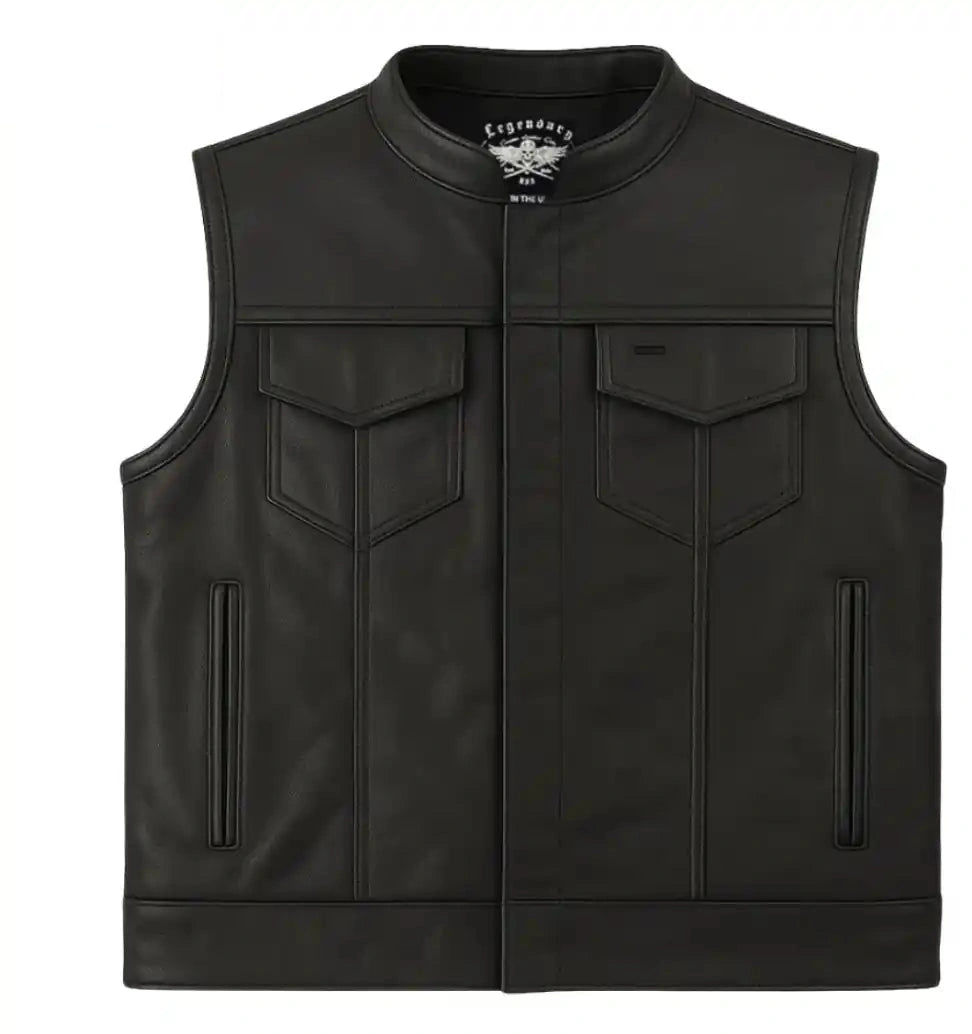
A jacket covers your most vulnerable torso and arm areas and is the second most critical purchase. A proper riding jacket has CE-rated armor at the elbows and shoulders, a back protector pocket (back armor is often sold separately — buy it), and abrasion-resistant construction.
For new riders, a mid-range textile jacket ($200-350) is the practical choice. It works in more weather conditions than leather, fits normally for everyday wear, and is easier to size without the break-in period. Once you know your riding style and preferences better, leather becomes a more informed upgrade choice.
Our complete guide to motorcycle glove safety applies the same certification framework — look for EN 13594 certification on gloves the same way you look for CE ratings on jacket armor.
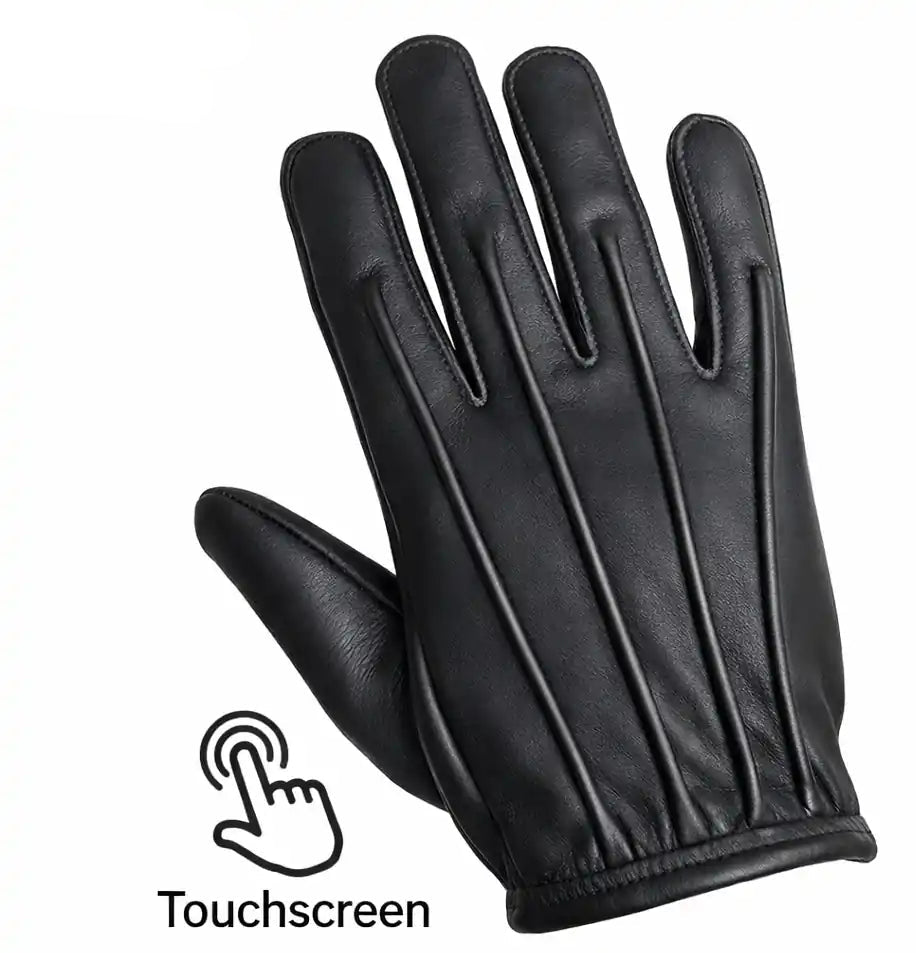
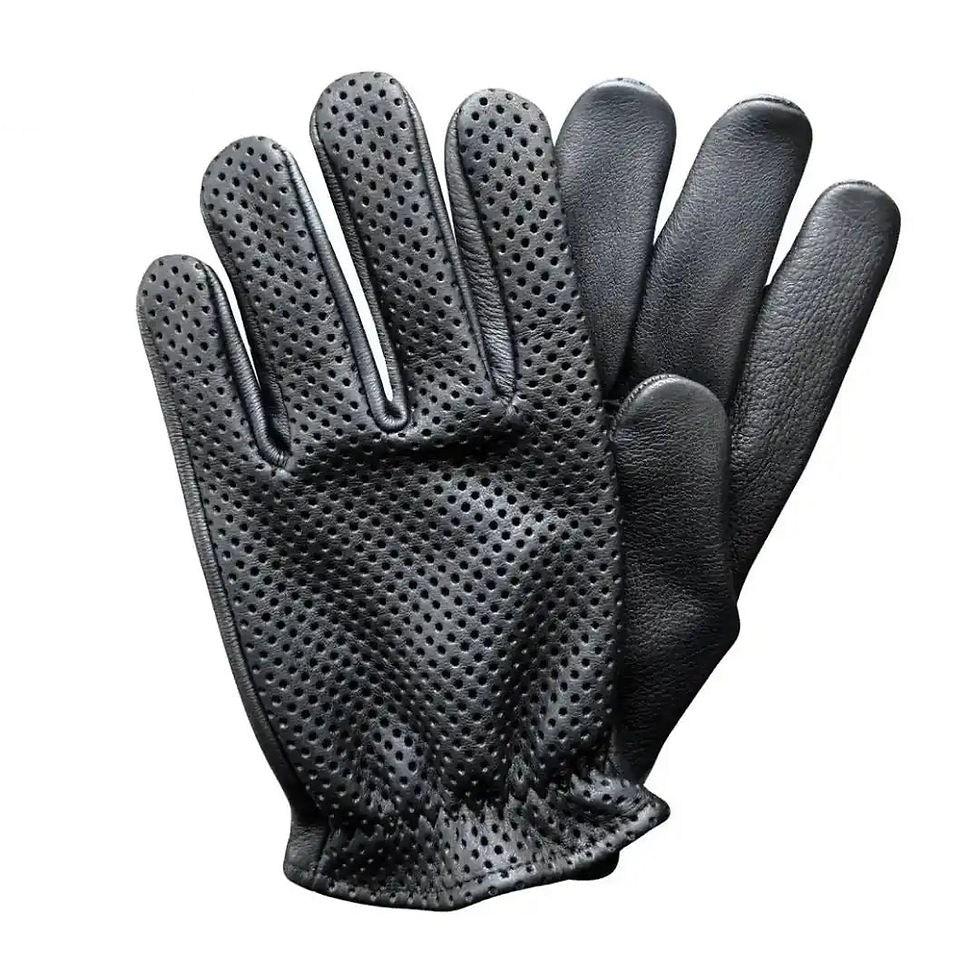
3. Gloves
Gloves protect your hands, which will be your first contact with the pavement in any fall where you're conscious. Palms and fingers are the instinctive landing point, and road rash on hands without protection is serious — deep abrasion on palms and knuckles is slow to heal and affects hand function while it does.
A proper riding glove has a palm slider or palm padding, knuckle protection, and wrist coverage. EN 13594-certified gloves have been tested to a defined standard. Full-gauntlet gloves that cover the wrist provide better protection than short-cuff gloves; for new riders who may not have strong preferences yet, a mid-gauntlet that fits under or over jacket cuffs is versatile.
Budget: $60-150 for a solid pair. The gap between cheap and premium motorcycle gloves is real, but you don't need to be at the top of the market to get functional protection.
4. Boots
Boots protect your feet, ankles, and lower legs — areas that contact pavement, get pinned under bikes, and take impact in tip-overs even at zero speed. Regular sneakers offer no ankle support and no protection. A simple tip-over in a parking lot can cause significant ankle damage in street shoes.
Motorcycle-specific boots don't have to look like motorcycle boots. There are options that look like work boots or casual shoes with internal ankle protection built in. For new riders who want to wear their footwear off the bike, these overlap styles are a practical starting point.
Budget: $100-200 for entry-level protection. Formal motorcycle boots with toe boxes and shift pad reinforcement run more but aren't mandatory for initial riding.
5. Pants
Riding pants are the last priority not because they matter less, but because the other four categories cover more critical anatomy. That said, legs and hips are very commonly injured in crashes, and road rash on thighs without protection is significant. Riding jeans with CE armor (EN 17092 Class AA minimum) or dedicated riding pants should follow shortly after the rest of your kit is assembled.
Minimum Viable Gear vs. Full Kit
Minimum viable gear for getting on the road: a certified helmet, a jacket with armor, and proper gloves. This is your day-one kit if budget is genuinely constrained.
Full kit adds proper boots and riding pants. Aim to complete your kit within your first few months of riding, not your first few years.
Budget Allocation
For a rider building a complete kit at once, here's a realistic starting budget:
Helmet: $200-350
Jacket: $200-350
Gloves: $80-120
Boots: $100-200
Pants: $150-250
Total: $730-1,270 for a complete kit at entry-to-mid range. This is less than the average monthly payment on most motorcycles. Framing it that way tends to shift the perspective on whether it's affordable.
Common Beginner Mistakes
Buying a cheap helmet. The price difference between a $80 helmet and a $250 helmet is not about brand premium — it's about liner technology, shell construction, and certification rigor. This is not the category to find savings.
Skipping pants. Riders who skip pants have usually decided that their regular jeans are "close enough." They're not. Standard denim fails abrasion testing in fractions of a second at speed. Riding jeans are not expensive compared to the rest of the kit.
Fashion boots. Engineer boots, Chelsea boots, and most work boots don't have the ankle support and impact resistance of motorcycle-specific footwear. They're better than sneakers. They're not good enough to be a long-term substitute.
Treating gear as a one-time purchase. Helmets have a service life — typically 5 years from manufacture, replace sooner after any impact. Armor degrades. Abrasion-resistant panels wear. Check your gear periodically rather than assuming it performs identically to when you bought it.
How Gear Requirements Change As You Progress
New riders should start conservatively and ride within their skill level, which means gear requirements don't change dramatically in the first year or two. What does change:
Riding style becomes clearer. The rider who ends up doing track days needs different gear than the one who transitions to ADV riding. As your style clarifies, gear can specialize.
You'll develop preferences about fit, brand, and construction that let you make more targeted purchases. Many experienced riders have more refined gear specifically because they've crashed or ridden in enough varied conditions to understand what matters to them.
For riders moving toward touring and longer distance, the considerations in best motorcycle jackets for long-distance touring apply once you're spending serious time on the bike.
Frequently Asked Questions
Do I really need all this gear for short rides?
Yes. Crash statistics don't favor short, familiar rides — they're often where riders are least focused. ATGATT means every ride, regardless of distance.
What's the minimum amount I can spend on a full gear kit?
A functional (not ideal) complete kit — certified helmet, basic armored jacket, entry gloves, riding boots, armored jeans — can be assembled for under $600 if you shop sales and entry-level lines from reputable brands. Below that, certification quality starts to compromise.
Should I buy gear before or after my motorcycle?
Before. Ride your first day in proper gear or don't ride. This isn't overcautious — it's the correct order of operations.
Is used gear acceptable for new riders?
Used jackets, pants, and boots are generally fine if in good condition. Used helmets are not recommended unless you can verify they've never been in a crash and know the manufacture date — the foam degrades invisibly after impact and with age.
How do I know if my helmet fits correctly?
It should sit level (not tilted back), contact your head evenly with no pressure points, and not rotate when you try to turn it with the strap undone. You should feel slight initial resistance from new foam that eases over the first several wears. If you can fit more than two fingers under the chin strap when buckled, it's too loose.