


How to Read a Motorcycle Gear Label: Decoding CE Certification and Leather Specs

Updated: Sep 2
QUICK ANSWER: A motorcycle gear label that specifies genuine protection will include: a leather grade (full-grain or top-grain — not "genuine" or "premium"), a leather weight in millimeters, a CE mark with a specific EN standard number (EN 13594 for gloves, EN 17092 for jackets), and a performance level or class (Level 1 or Level 2 for armor; Class A, AA, or AAA for jackets). Any label that uses vague language about "premium materials" or "protective padding" without these specifics is not providing verifiable protection claims.
The CE Mark: What It Means and What It Doesn't

The CE mark (Conformité Européenne) on motorcycle gear indicates the product has been assessed against applicable European safety standards. In the EU, CE marking on personal protective equipment is legally required and must be backed by independent testing. In the US, CE marking is voluntary — manufacturers can seek CE certification for products sold globally, but it is not mandated.
What the CE mark alone does NOT tell you: which standard was tested, which performance level was achieved, or which testing body certified it. A CE mark without accompanying standard numbers and performance levels provides minimal useful information. Look for what follows the CE mark.
Reading Glove Labels: EN 13594
A properly certified motorcycle glove label reads: "CE / EN 13594:2015 / Level 1" or "CE / EN 13594:2015 / Level 2." The standard number (13594) tells you this is the motorcycle glove standard. The year (2015) tells you which version was tested. The level (1 or 2) tells you the performance threshold achieved. Level 2 means the glove transmits no more than 6 kN at the palm on average — approximately 33% less force than Level 1's 9 kN limit.
Reading Jacket Labels: EN 17092
The current motorcycle jacket standard is EN 17092:2020, which replaced EN 13595. Labels read: "CE / EN 17092-3:2020 / Class A" (or AA, or AAA). The number after the hyphen (17092-3) refers to the specific part of the standard for jacket type. Class AAA requires the highest abrasion resistance and seam burst strength. Class A is the minimum class that qualifies for protective use.
Reading Armor Labels: EN 1621
Armor in motorcycle jackets is certified separately from the jacket. Each armor piece has its own label: "CE / EN 1621-1 / Level 2" for shoulder or elbow armor; "CE / EN 1621-2 / Level 2" for back protectors. The "1" in 1621-1 refers to limb armor; the "2" refers to back protection. Level 2 at the back transmits no more than 9 kN on average — half the Level 1 limit of 18 kN.
Leather Label Language: What's Honest and What's Not
Honest leather labels specify species and grade: "Full-grain horsehide," "Full-grain cowhide," "Top-grain cowhide," "Full-panel deerskin." These are specific, verifiable claims. Dishonest or vague leather labels say: "Genuine leather" (legally means only that some leather is present), "Premium leather" (no defined standard), "High-quality leather" (no defined standard), "PU leather" (polyurethane — not leather), "Eco leather" (not leather), "Bonded leather" (leather fiber scraps in adhesive — not protective leather).
Red Flags: Labels That Signal Problems
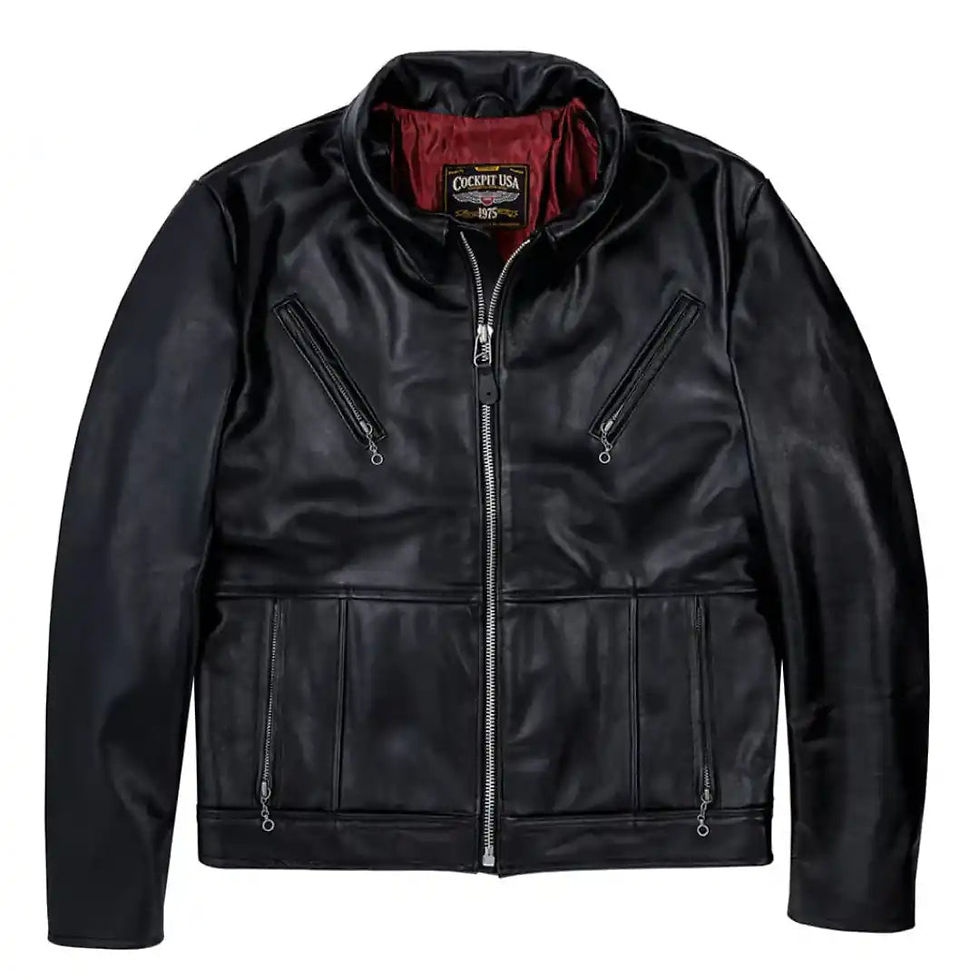
Warning labels: No leather weight specified. "Armor" or "padding" without CE standard number. "CE approved" without EN standard number and performance level. "All leather" without species or grade. "Protective" without certification basis. Any of these signals that the manufacturer cannot or will not provide verifiable protection specifications.
Frequently Asked Questions
What if a jacket has no CE certification label at all?
Uncertified jacket armor is unverified — its protective properties are unknown. The leather grade and weight still determine abrasion protection (which can be evaluated independently), but the armor's impact protection cannot be assessed without certification. Uncertified armor may provide some protection or none; you cannot know from the label.
How do I verify CE certification is genuine?
Ask the manufacturer for the testing report and the name of the notified body (the independent testing organization that certified the product). Legitimate certifications have documentation from accredited testing bodies. If the manufacturer cannot provide this, the CE mark may be self-declared rather than independently tested.
What does "certified leather" mean?
"Certified leather" is not a standard term with a specific meaning. It may refer to CE certification of the overall garment, Leather Working Group (LWG) certification of the tannery's environmental practices, or REACH compliance for chemical safety. None of these tell you the leather's grade or weight for protection purposes. Ask specifically for leather grade and weight.


