


Leather vs Textile Motorcycle Jackets: The Complete Honest Comparison

Updated: Sep 28
Leather versus textile is the defining gear debate in motorcycling. Both materials have genuine advocates and genuine advantages. The wrong answer is to declare one universally superior — the right answer is to understand what each does well and match the material to your riding context. This comparison is honest about both materials' strengths and limitations.
Disclosure: MotoGearRater and Legendary USA have the same owner. Links to legendaryusa.com in this article go to our owner’s store, and are marked as sponsored. How we make money
What Each Material Does Well
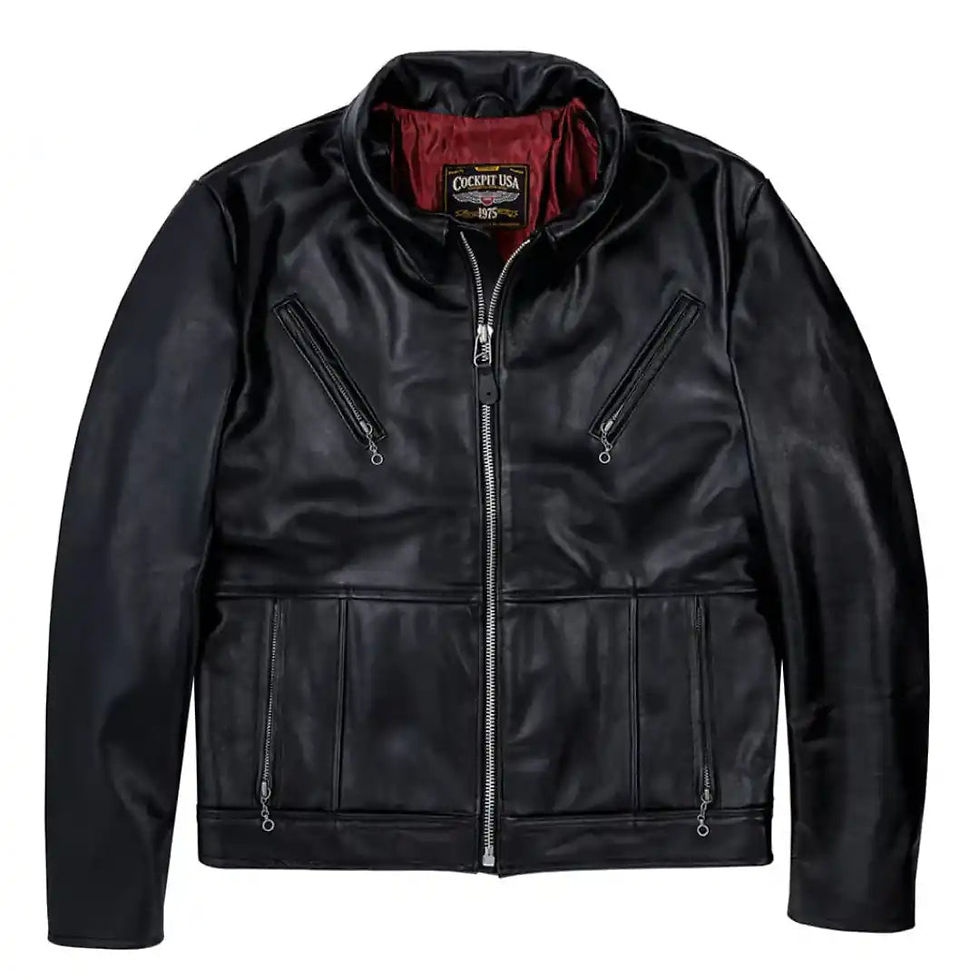
Leather excels at: abrasion resistance in heavy gauge full-grain form; heritage styling and patina development; wind protection; long-term durability (decades of service with care); and the unique aging character that improves with use. Leather is the traditional standard for protection-focused riding gear for reasons grounded in material physics, not nostalgia.
Textile excels at: all-weather functionality (waterproof textile with membranes handles rain better than unlined leather); ventilation in hot climates (mesh textile panels provide airflow leather cannot match); lighter weight for long-distance touring; packability for adventure riding; and significantly lower cost at equivalent protection levels.
Abrasion Resistance
Leather wins in the premium tiers. Full-grain horsehide or cowhide at 1.4mm provides more abrasion resistance per millimeter than most textile alternatives. The continuous fiber structure of quality leather resists wear-through effectively. This is why leather remains the standard in racing applications where abrasion resistance is the primary protection concern.
High-quality textile wins against low-quality leather. A Cordura 1000D ballistic nylon jacket with CE certification outperforms a thin, corrected-grain "leather" jacket that is mostly surface coating over split leather. The comparison should always be quality-to-quality: premium leather vs premium textile, not premium leather vs budget textile.
Explore the best motorcycle jackets from Legendary USA — premium horsehide and cowhide riding jackets made in the USA for serious riders.
Weather Handling
Textile wins significantly for rain. A textile jacket with a Gore-Tex or similar waterproof membrane keeps the rider dry in sustained rain indefinitely. Quality leather can be conditioned for water resistance but is not waterproof — extended rain exposure eventually penetrates and temporarily stiffens the leather, reducing comfort and, in extreme cases, affecting fit.
Leather wins for wind protection. Heavy leather provides more wind blocking per millimeter of material than most textile. For cold-weather riding in dry conditions, a leather jacket provides excellent wind protection. For wet cold, textile with a waterproof membrane is the practical choice.
Heat Management
Textile wins in hot weather. Mesh textile panels or perforated textile jackets provide airflow that perforated leather cannot fully match. A mesh textile jacket in 95°F summer conditions is meaningfully more comfortable than any leather jacket. For riders in hot climates who ride year-round, this is a significant practical advantage.
Perforated leather provides decent summer ventilation but reaches a breathability ceiling that textile mesh exceeds. Riders who prioritize summer comfort in hot climates should give textile serious consideration.
Durability and Long-Term Cost
Leather wins at the premium end of both categories. A quality horsehide or full-grain cowhide jacket, properly maintained, will last 20–30 years. The leather becomes more fitted and more characterful over time. Long-term cost per year is very low for gear that lasts decades.
Textile jackets typically last 5–10 years under regular use before membranes degrade, panels wear thin at high-contact points, and hardware fails. Premium textile construction extends this, but textile does not share leather's decades-long service life. The textile jacket that costs $300 and lasts 5 years costs $60/year vs a $600 leather jacket that lasts 25 years at $24/year.

Making the Decision
Choose leather if: you ride primarily in dry conditions; you value heritage aesthetics and patina development; you want gear that improves with decades of use; you ride in cold, dry winters where wind protection is the primary concern; or you want the maximum abrasion resistance available. Legendary USA leather jackets represent the premium end of this choice.
Choose textile if: you ride year-round in all weather including sustained rain; you ride in very hot climates where ventilation is a primary comfort and safety concern; you need a lighter, more packable jacket for adventure or touring; or your budget requires maximum protection per dollar spent.
Frequently Asked Questions
Can I wear a leather jacket in the rain?
Yes, with appropriate preparation. Condition the leather regularly and apply a water-resistant treatment. The jacket will handle light rain and road spray well. For sustained heavy rain, a waterproof overjacket or textile is more practical.
Which is safer in a crash, leather or textile?
At equivalent quality levels, both provide meaningful protection. Full-grain leather at appropriate weight provides excellent abrasion resistance. CE-certified quality textile with adequate construction provides competitive abrasion resistance. The quality level of the specific product matters more than the material category.
Do professional motorcycle racers wear leather or textile?
Racing leathers are universal in professional road racing. The combination of maximum abrasion resistance and body-conforming fit that leather provides makes it the choice when protection is the only consideration and weather handling is irrelevant (controlled racing conditions).
Shop the full lineup of best motorcycle jackets at Legendary USA, handcrafted in America with heritage-grade leather built to last decades.


