The Ultimate Guide to Motorcycle Safety Gear: Every Piece Explained

Updated: Sep 2
Motorcycle safety gear is a system, not a collection of individual items. A helmet without gloves leaves the hands — the first contact point in most falls — exposed. A jacket without pants protects the upper body while leaving the legs to contact the road directly. Understanding motorcycle safety gear means understanding how the pieces work together to create complete coverage, and what gaps leave riders vulnerable.
This guide covers every category of motorcycle protective gear: what it protects, how to evaluate certification and quality, what specifications matter, and how to build a complete system appropriate for your riding style and conditions.

The Two Fundamental Threats: Abrasion and Impact
Every motorcycle crash injury can be traced to two physical mechanisms: abrasion (skin and tissue damage from sliding contact with the road) and impact (bone and organ damage from blunt force contact). These are different threats requiring different protective responses. Gear that addresses only one leaves the rider exposed to the other.
Abrasion protection comes from material coverage — leather or textile that maintains a barrier between skin and road surface for the duration of a slide. Impact protection comes from armor — CE-certified padding that distributes and absorbs the energy of blunt impact at vulnerable body zones. Complete safety gear addresses both threats at every vulnerable zone.
The Helmet: Non-Negotiable First Priority
The helmet is the single most important piece of motorcycle safety equipment because head injuries are the leading cause of serious and fatal motorcycle accident injuries. No other piece of gear protects against the injuries that kill or permanently disable riders most often.
Full-face helmets provide the most comprehensive head protection — covering the skull, chin, and face. Open-face helmets protect the skull but leave the face exposed; facial injuries in motorcycle accidents are common and serious. Half-helmets (shorty helmets) provide minimal protection — the skull above the ears only. For riders who care about protection, full-face is the appropriate standard.
Certification standards: DOT (FMVSS 218) is the minimum legal requirement in the US. ECE 22.06 is the current European standard, generally considered more rigorous than DOT. SNELL certification involves testing beyond government standards and is the choice of many performance-focused riders. A helmet with DOT and ECE 22.06 certification provides verified protection to multiple rigorous standards.
The Jacket: Torso, Shoulder, Elbow, and Back Protection
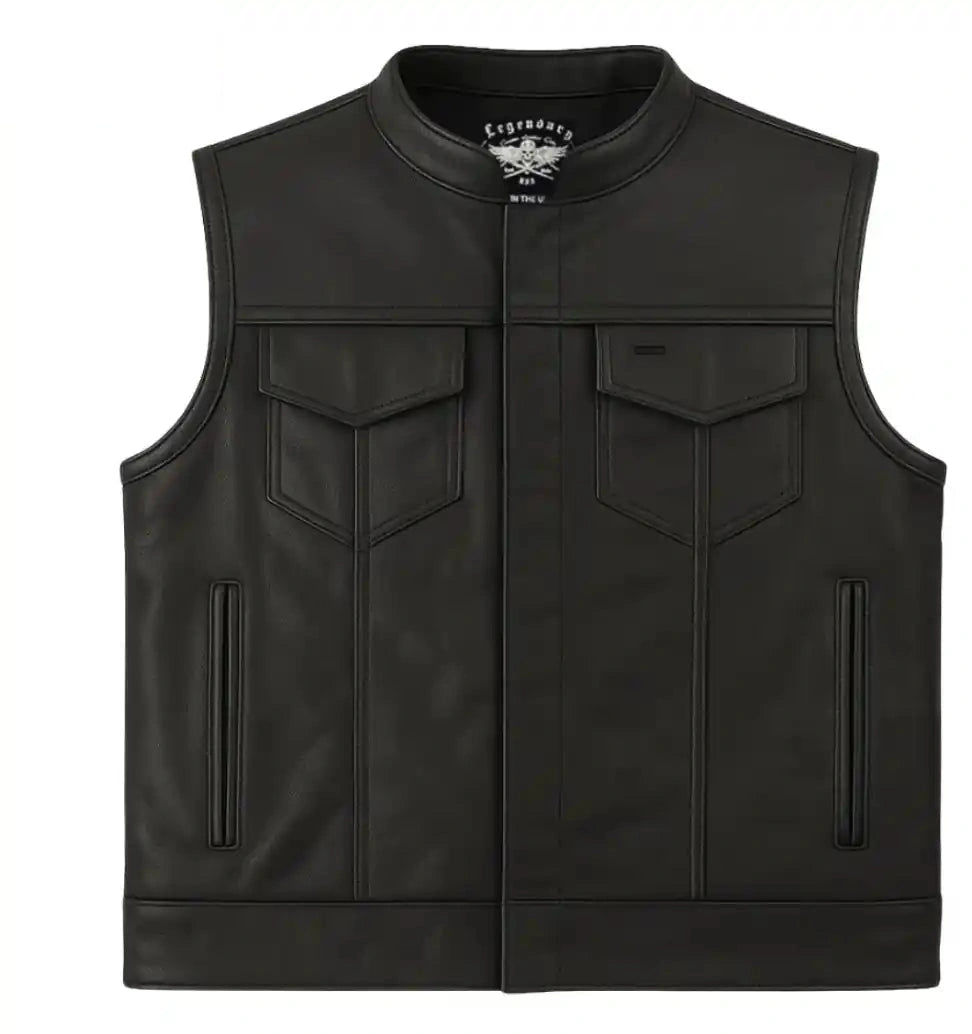
A motorcycle jacket serves four protective functions simultaneously: abrasion resistance (leather or CE-certified textile maintains the skin-road barrier during a slide), impact protection (CE armor at shoulders, elbows, and back absorbs and distributes blunt impact energy), wind protection (the jacket body blocks wind chill that causes fatigue and hypothermia on extended rides), and weather protection (quality jackets manage rain, cold, and heat through material choice and liner systems).
Minimum specification for a protective motorcycle jacket: full-grain leather at 1.2mm+ OR CE-certified textile (EN 17092 Class A minimum, Class AA or AAA preferred); CE Level 1 armor at shoulders and elbows (Level 2 preferred); back protector pocket and CE Level 2 back protector (the single most important armor upgrade available); riding-position fit that covers the lower back in the seated position.
The Gloves: Hand and Wrist Protection
Hands are the first contact point in most motorcycle falls — the instinctive catch reflex extends the arms and puts the hands down before any other body part. Without gloves, the result is palm abrasion at minimum; without quality gloves with proper construction, the result in serious falls is compound injury to the palms, fingers, knuckles, and wrist.
Minimum specification: full-grain leather or CE-certified synthetic; reinforced palm panel or palm slider at the heel of the palm; CE Level 1 knuckle armor (Level 2 preferred); wrist closure that retains the glove through a fall. For riders who log highway miles: gauntlet style for wrist coverage and wind seal.
The Pants: Knee, Hip, and Leg Protection
Motorcycle pants with CE armor are among the most commonly skipped pieces of gear — riders frequently wear regular jeans with a jacket, leaving the lower body exposed. The consequences of unprotected lower body contact in a fall include road rash to the thighs and knees, knee joint damage, and hip fractures. Quality riding pants with CE armor at the knees and hips address all of these.
Options: leather riding pants (maximum abrasion resistance, hot in summer), textile riding pants with abrasion-resistant construction (versatile, weatherproof options available), and overpants that go over regular clothing (less protective but more convenient for commuters). CE armor at the knees and hip/tailbone pockets is the specification floor.
The Boots: Ankle, Foot, and Shin Protection
Motorcycle boots protect the ankle joint — one of the most commonly injured structures in low-speed falls and tip-overs. Standard footwear provides no ankle protection; motorcycle boots with ankle impact protection and torsion resistance prevent the ankle fractures and ligament damage that are common in falls where the foot contacts the ground or twists under the motorcycle.
Minimum specification: full ankle coverage above the ankle joint; ankle impact protection (CE certification to EN 13634 is available for motorcycle footwear); slip-resistant sole for foot-down stops; oil resistance. Motorcycle-specific boots provide all of these; work boots and hiking boots provide partial coverage; sneakers and fashion shoes provide none.

The Complete System: How the Pieces Work Together
A complete motorcycle safety gear system has no exposure gaps in the zone between the boot top and the helmet chin bar. The boot covers the ankle and lower leg. The pants cover the knee, thigh, and connect to the jacket at the waist (many quality pants and jackets have zipper connections that prevent separation in a fall). The jacket covers the torso, arms to the gloves. The gloves cover the hands and wrist to the jacket sleeve. The helmet covers the head and face.
Any gap in this system is an exposed zone. The gap between jacket sleeve and glove cuff is a common exposure point — gauntlet gloves that seal over the jacket sleeve close this gap. The gap between jacket hem and pants waist is closed by pants-jacket zipper connections. Every gap represents a zone that will contact the road unprotected if a fall occurs in a way that exposes that zone.
Building a System When Budget Is Limited
If budget requires prioritization, the sequence should be: helmet first (no compromise, spend what is needed for certification); jacket with armor second (the torso zone is large and critical); gloves third (hands hit first in most falls); boots fourth (ankle protection for every ride); pants last (important but the other four are more frequently critical).
Within each category, prioritize CE certification over brand, and leather or certified textile grade over aesthetics. A CE-certified jacket from a transparent manufacturer at $250 provides more verified protection than an aesthetically superior jacket at $400 with no specification transparency.
Frequently Asked Questions
Is all motorcycle gear protective?
No. Gear marketed as motorcycle gear — leather jackets, gloves, boots — varies enormously in protective value. Fashion-grade "motorcycle" jackets in thin leather or bonded leather provide minimal protection. CE certification is the verification system that distinguishes verified-protective gear from unverified product.
Do experienced riders need gear?
Yes — experience reduces the frequency of falls but does not eliminate them. Road hazards, other drivers, and mechanical failures cause falls that experience cannot prevent. Gear protects against fall consequences regardless of rider skill level.
What is the most common mistake in gear selection?
Prioritizing aesthetics over specification. A jacket that looks exactly right in the showroom but uses fashion-weight leather with unverified "armor" provides comfort with the appearance of protection rather than actual protection. Verify specifications first; aesthetics are a secondary consideration.