


What Is Leather Break-In? How Motorcycle Leather Becomes Personal

Updated: Sep 2
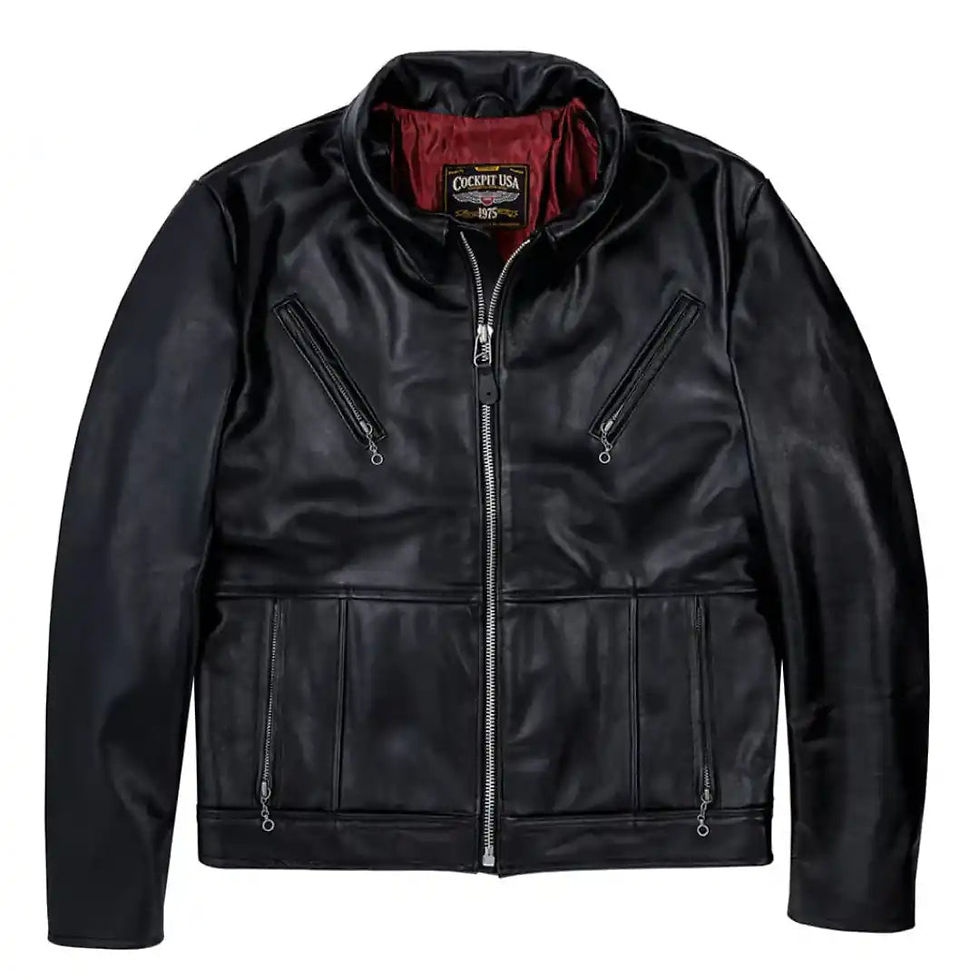
Leather break-in is the process through which new leather — particularly full-grain horsehide and heavier cowhide — gradually softens, flexes, and conforms to the specific body and movements of the rider who wears it. Break-in is not a defect to be overcome; it is the mechanism by which quality leather becomes personal. A properly broken-in horsehide jacket fits exactly one rider — the one who broke it in.
What Happens During Leather Break-In

New leather contains the full complement of natural fibers in their original orientation. These fibers have not been flexed, compressed, or softened by use. The leather is at its stiffest, most rigid state. As the leather is worn and worked, several things happen simultaneously: the fibers at flexion points (elbows, collar, back shoulders) begin to compress and realign in response to the repeated flexion of riding; natural moisture from perspiration and environmental humidity penetrates the leather and temporarily softens the fiber structure; the heat of the body accelerates fiber reorganization; and conditioning oils applied during the break-in period supplement the natural oil content of the leather.
The cumulative result is leather that has been reorganized by the specific physical use pattern of the rider who wears it. The creases that form at the elbows of a jacket are in exactly the positions required by that rider's arm angle on their specific handlebars. The grip indentation in a glove reflects exactly the diameter and position of the lever the rider operates most. This personalization is the defining characteristic of quality leather and the reason experienced riders value broken-in gear over new.
Break-In Time by Leather Type
Horsehide at 1.3–1.5mm: 6–18 months of regular riding wear. The density of horsehide means break-in is slow and requires sustained use. Accelerate modestly with conditioning but do not over-condition — the firmness of horsehide during break-in is evidence of its quality, not a problem to be solved. Full-grain cowhide at 1.2–1.4mm: 2–6 months of regular wear. Cowhide is initially softer than horsehide and breaks in faster. Deerskin: 1–4 weeks of regular wear. Deerskin's natural oil content and fine fiber structure make it soft from the first wear and quickly personal with use.
How to Accelerate Break-In Without Damaging the Leather
Wear the gear as often as possible — break-in requires use, not treatment. Condition monthly during active break-in with a quality leather conditioner appropriate for the leather type: neatsfoot oil or pure mink oil for horsehide; lanolin-based conditioner for deerskin; quality leather conditioner for cowhide. Do not over-condition — excessive conditioning produces over-softened leather that loses the structure that makes it protective.
Frequently Asked Questions
Should I condition new leather before wearing it?
A single light conditioning treatment before first wear is appropriate for most full-grain leathers — particularly horsehide, which can be very dry from the tannery. Apply a small amount of conditioner, allow it to absorb, and buff gently. This begins the conditioning process without over-softening the leather before use.
How do I know when leather is fully broken in?
The leather has conforming creases at all major flexion points, feels comfortable and flexible throughout its range of motion, and no longer feels like a separate rigid object but an extension of the body wearing it. A fully broken-in jacket moves with the rider rather than resisting their movement.
Does break-in reduce protection?
No — properly broken-in leather maintains its protective fiber structure while becoming more comfortable and better-fitting. The fiber reorganization during break-in does not reduce abrasion resistance significantly. Over-conditioned leather that has been softened beyond its appropriate state may have reduced stiffness, but not meaningfully reduced protection in realistic riding scenarios.


