How Much Should Beginners Spend on Riding Gear

Updated: Sep 28
New riders should plan to spend $600–$1,000 for a complete, protection-grade starter gear kit covering helmet, jacket, gloves, boots, and pants. You can do it for less if you're strategic about what to prioritize and what to defer — but there's a floor below which you're no longer buying protection, you're buying the appearance of protection. Here's how to allocate a beginner gear budget honestly.
Disclosure: MotoGearRater and Legendary USA have the same owner. Links to legendaryusa.com in this article go to our owner’s store, and are marked as sponsored. How we make money
Key Takeaways

$600–$1,000 is a realistic budget for a complete beginner kit with genuine protection across all five categories
If budget is tight, prioritize in this order: helmet, jacket, gloves, boots, pants
Buying used quality gear beats buying new cheap gear at the same price point
Don't underspend on a helmet — it's the piece that matters most and the hardest to evaluate quality on
Gear budget is a one-time investment that spreads across years of riding
The Full Gear Picture for New Riders
What 'Complete Kit' Actually Means
A complete motorcycle gear kit covers head, upper body, hands, feet, and lower body. The five categories are: helmet, jacket, gloves, boots, and riding pants or overpants. Each category addresses specific crash contact zones. Leaving any one of them out means accepting direct exposure in that zone.
This is sometimes called ATGATT — All The Gear, All The Time. It's not about being paranoid; it's about being realistic that you don't get to choose which part of your body hits the pavement when things go wrong.
Why the Floor Matters
There's a real floor in each gear category below which you stop buying protection and start buying the look of protection. A $30 online helmet with a DOT sticker is not the same as a $200 DOT-certified helmet from a reputable manufacturer. A $60 jacket without CE-certified armor is not a riding jacket — it's a jacket. Knowing where the floor is lets you spend right.
Budget Allocation by Category
Helmet: $150–$300
The helmet is your highest-priority purchase and your highest-risk place to underspend. A properly fitted DOT/ECE-certified full-face helmet in the $150–$300 range from an established brand is a solid starting point. Don't go below $100 unless you can independently verify the DOT compliance — at the very low end, the sticker is often the only thing that's DOT.
A $250 well-fitting helmet is more protective than a $600 helmet that fits poorly. Fit is the variable that matters most, so try multiple helmets before settling.
Jacket: $200–$350
Your jacket needs CE-certified armor at elbows and shoulders and a back protector, made from either protection-grade leather (1.0mm+ cowhide) or 500D+ textile. At $200–$350, solid options exist across both categories from established manufacturers.
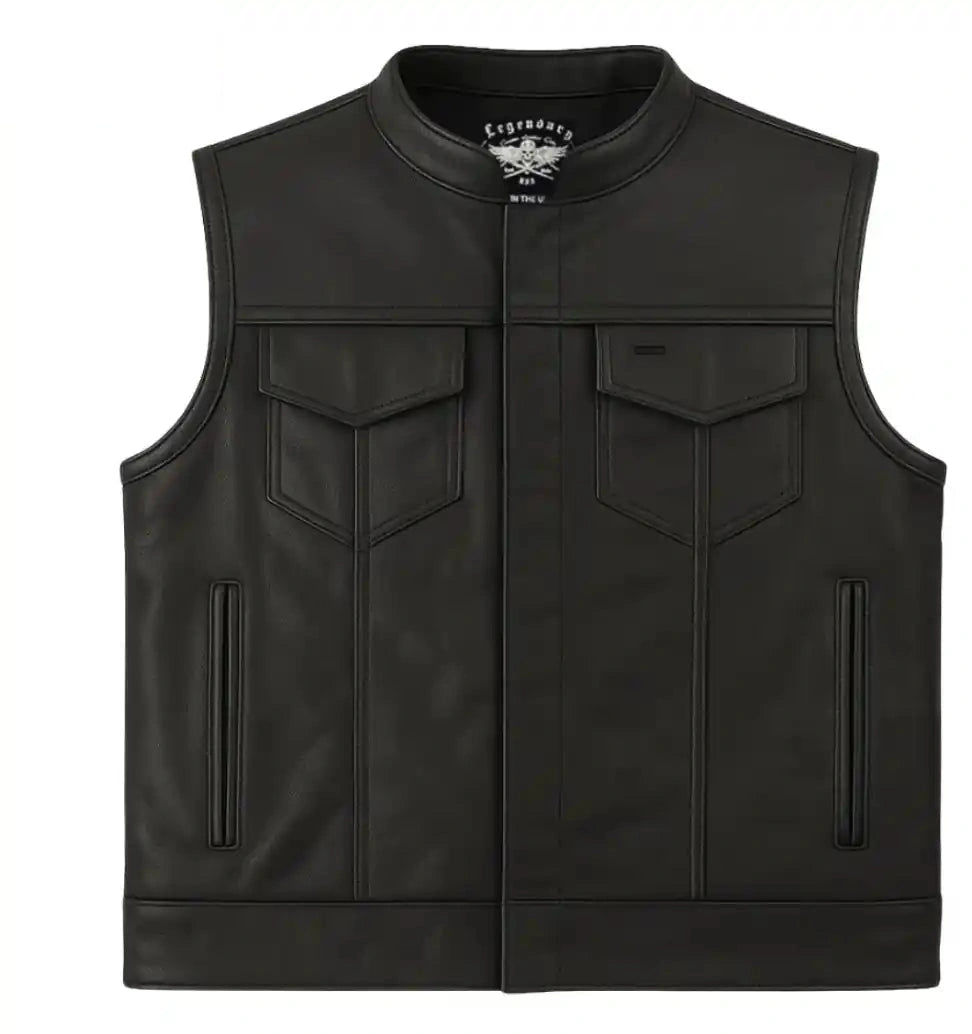
A well-made leather jacket in this range from a brand like Legendary USA gives you US-made construction you can verify. Textile options from REV'IT!, Alpinestars, or Klim's entry line also hit solid protection specs in this range.
Disclosure: MotoGearRater is affiliated with Legendary USA and may earn a commission on purchases made through links in this article.
Gloves: $60–$130
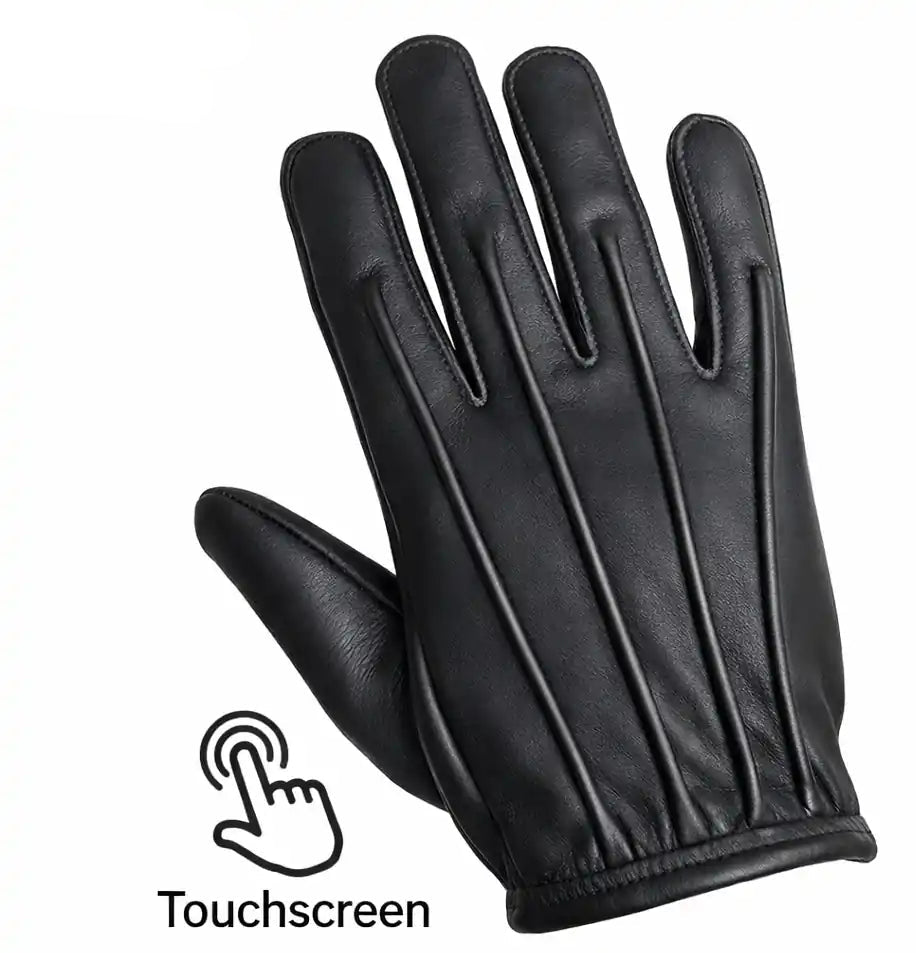
Your hands are the first thing that hit the ground in most crashes. Gloves with hard-shell knuckle guards and a solid palm slider — ideally CE EN 13594 certified — in the $60–$130 range protect hands adequately. Don't go below $40 from a brand with no verifiable protection specs.
Boots: $100–$200
Motorcycle-specific boots protect your ankles, which are highly vulnerable in a crash. At minimum, you need boots with ankle protection and a sole that won't slip on pegs. Full motorcycle-specific riding boots start around $100. Above-ankle coverage is more important than specific features at this stage.
Riding Pants: $80–$200
Riding pants with CE-certified armor at knees and hips are the last piece. At $80–$200, textile overpants or riding jeans with CE armor inserts provide solid lower-body protection. This is the category most beginners skip first — your legs are also crash exposure zones.
Total Spend by Budget Level
Minimum Viable Kit: ~$600
Helmet: $175 (DOT/ECE full-face from established brand)
Jacket: $220 (textile with CE Level 1 armor)
Gloves: $70 (hard-shell knuckle, palm slider)
Boots: $100 (ankle-protective motorcycle boots)
Pants: $80 (CE-armored textile overpants)
Total: ~$645
Mid-Range Starter Kit: ~$900
Helmet: $250 (DOT/ECE full-face with better fit system)
Jacket: $320 (textile with CE Level 2 armor, waterproof liner)
Gloves: $110 (CE EN 13594, full palm protection)
Boots: $150 (dedicated riding boots with CE ankle protection)
Pants: $120 (riding jeans with CE knee/hip armor)
Total: ~$950
Well-Equipped Starter: ~$1,200
Helmet: $350 (ECE 22.06 or Snell M2020 certified)
Jacket: $450 (leather or laminated textile with CE Level 2 across all zones)
Gloves: $150 (CE EN 13594 Level 2, four-season coverage)
Boots: $200 (adventure or sport touring boots with full CE protection)
Pants: $150 (armored riding jeans or textile pants with CE Level 2)
Total: ~$1,300
Strategies to Stretch Your Budget
Buy Used Quality
A used mid-tier jacket from a reputable brand in good condition beats a new entry-level jacket at the same price. The caveats: always inspect seams and armor, verify no crash history, and ensure the fit is right for you. Gloves and helmets post-crash should never be bought used — you can't verify impact history.

Defer Riding Pants if Necessary
If you truly can't afford the full kit, riding pants are the category most commonly deferred. Get the helmet, jacket, gloves, and boots first — and add riding pants as soon as possible. This isn't ideal, but legs without armor are better than a head without a helmet.
Wait for Sales
End-of-season sales and Black Friday events from major gear retailers commonly drop prices 20–40% on the previous year's gear. Gear that's one model year old performs exactly the same as current-year gear. Buying a $300 jacket for $180 in November is a legitimate strategy.
What Not to Do with Your Gear Budget
Don't prioritize aesthetics over protection specs — you can always upgrade style later, you can't undo a crash
Don't buy a premium helmet and skip the jacket — gear is a system, not a single piece
Don't buy all five categories at the cheapest possible price — you end up with five pieces of marginal protection
Don't assume price equals protection — verify CE certification and material specs regardless of cost
Don't buy a helmet used from an unknown source — you can't verify crash history
Frequently Asked Questions
Can I start riding with just a helmet?
Legally, in most US states, yes — helmet laws vary by state, and jacket/gloves/boots/pants laws generally don't exist. For protection, you're accepting full exposure to road rash and impact on your arms, hands, feet, and legs. That's a real risk, especially in the early months of riding when crash probability is higher.
Does more expensive gear protect better?
At the same certification level, not necessarily in a straight line. A CE Level 2 jacket at $300 protects the same as a CE Level 2 jacket at $700 in the zones covered by that armor. What more expensive gear usually adds is better comfort, durability, fit systems, and features — not always more protection per dollar.
Should I buy all my gear from the same brand?
There's no protection reason to do so. Mix and match based on what fits best and what provides the best specs at your budget. Brand ecosystems matter for features like connector zippers between jacket and pants, but protection-wise, buy the best fit and specs in each category.
What if I stop riding — did I waste the money?
Gear doesn't expire unused. If you stop riding after a year, the gear sits in a closet. If you resume riding, it's still usable (assuming no crashes and within the five-year helmet guideline). Many riders pause and resume — quality gear that's been stored properly is ready when you are.
Is rental gear at a riding school good enough?
Rental gear at reputable riding schools is maintained and meets basic protection standards. It's fine for a lesson. For actual road riding on your own bike, your own properly fitting gear is important. Rental gear won't fit as well, which affects both comfort and protection quality.
What's the most common beginner gear mistake?
Spending the gear budget almost entirely on a helmet, then buying a cheap jacket and skipping gloves, boots, and pants. The helmet is the highest priority, but gear is a system. A $600 helmet with no jacket, no gloves, and no boots still leaves most of your body unprotected.
Our Recommendation
For a first kit, the $600–$1,000 range gives you real protection across all five categories. Prioritize the helmet, then the jacket, then the rest. Buy quality within your budget — which sometimes means buying used quality — rather than buying new mediocre across the board.
See our complete beginner motorcycle gear checklist for more specifics on what to look for in each category. And check out Legendary USA's motorcycle gear lineup for American-made leather options that deliver quality you can verify.
Invest in the gear. It's a fraction of what you'll spend on the motorcycle — and it matters a lot more in the moment it counts.