How to Care for Leather Motorcycle Gear: The Complete Maintenance Guide

Updated: Sep 2
QUICK ANSWER: Leather motorcycle gear requires three maintenance actions: cleaning (remove surface dirt with damp cloth and mild leather soap every few months), conditioning (apply a leather-appropriate conditioner every 3–6 months to replace natural oils), and proper drying (air dry away from heat after wet exposure — never use a dryer, radiator, or direct sun). These three actions, consistently applied, are the difference between gear that lasts 5 years and gear that lasts 30.
Why Leather Requires Active Maintenance

Leather is biologically derived material — the tanned skin of an animal. Like all biological materials, it requires moisture to remain supple and functional. The tanning process preserves the leather by stabilizing its protein structure, but it does not make leather self-maintaining. The natural oils that made the animal's skin supple in life are gradually depleted by washing, weather exposure, and time. When these oils are not replaced, leather dries, stiffens, and eventually cracks — and cracked leather provides significantly less abrasion resistance than conditioned leather.
Cleaning: How and How Often
Clean leather gear with a damp cloth and mild leather soap — products like Leather Honey, Lexol Cleaner, or saddle soap. Apply the cleaner to a soft cloth, not directly to the leather. Work in circular motions across the surface. Remove the cleaner with a second clean damp cloth. Allow to dry before conditioning.
How often: for gear worn regularly (weekly), clean every 2–3 months or when visibly soiled. For gear worn occasionally, clean before storage. Never use household cleaning products — detergents, dish soap, bleach — on leather. These strip protective oils and can permanently damage the fiber structure.
Stubborn stains: road tar and petroleum products require specific leather degreasers. Apply carefully to the affected area only; these products remove all surface oils and must be followed immediately by conditioning. Salt (from winter roads and perspiration) is particularly damaging — it draws moisture from the leather as it dries. Rinse salt-contaminated leather with clean water and condition thoroughly.
Conditioning: The Most Important Step
Conditioning replenishes the natural oils that make leather supple and protective. Use a conditioner appropriate for the specific leather type. For horsehide: neatsfoot oil or pure mink oil — both penetrate deeply into the dense fiber structure. For deerskin: lanolin-based conditioners or products specifically formulated for deerskin — avoid heavy oil conditioners that can over-soften deerskin's fine fibers. For cowhide: most quality leather conditioners work — Leather Honey, Lexol, or Bick 4 are MotoGearRater-recommended options.
How to condition: apply a small amount of conditioner to a soft cloth. Work into the leather in circular motions, covering all surfaces including hidden areas (under straps, inside pockets). Allow to absorb for 15–30 minutes. Buff gently with a clean dry cloth. The leather should feel supple, not greasy. If the surface is greasy after conditioning, you applied too much — use less next time.
How often: every 3–6 months for regularly worn gear in normal conditions. More frequently if the gear is exposed to rain regularly, worn in high-heat conditions that accelerate oil depletion, or shows signs of drying (stiffening, lightening of color, surface cracking). Less frequently if the gear is stored between uses — stored leather retains oils longer than actively worn gear.
Drying Wet Leather: The Most Common Mistake
Wet leather must be dried slowly at room temperature. This is the rule that most riders violate and the most common cause of premature leather damage. The mistake: putting wet gear near a radiator, in front of a space heater, in direct sunlight, or using a hair dryer to speed drying. Heat causes the leather fibers to contract rapidly and unevenly, resulting in hardening, warping, and — in severe cases — cracking that is permanent.
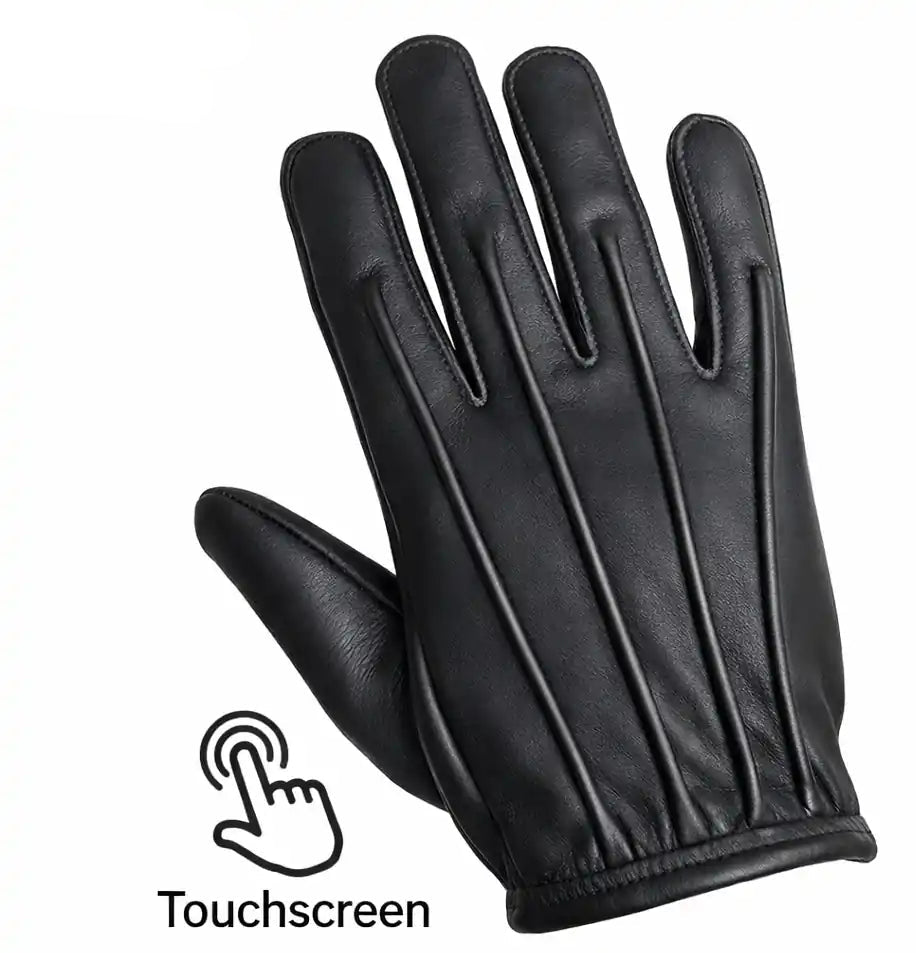
The correct procedure: allow wet leather to drip excess water, then lay flat or hang in a room-temperature space with good air circulation. Stuff gloves lightly with newspaper to maintain shape. Allow to dry completely — 12–24 hours depending on saturation level and ambient conditions. Once fully dry, condition immediately to replace the oils that water displaced.
Leather-Specific Maintenance
Horsehide Care
Horsehide is the densest and most oil-thirsty of the common motorcycle leathers. It benefits from more frequent conditioning than cowhide — every 3 months under regular use. During break-in (the first 6–18 months), condition monthly to encourage the leather to soften appropriately. Neatsfoot oil is the traditional horsehide conditioner; pure mink oil is an excellent alternative. Avoid silicon-based products that coat the surface without penetrating the dense fiber structure.
Deerskin Care
Deerskin has natural oil content that makes it more self-maintaining than horsehide or cowhide, but it still requires periodic conditioning. Use products formulated for deerskin or very light lanolin-based conditioners. Heavy conditioning oils can over-soften deerskin's fine fiber structure, reducing its protective properties. Condition every 4–6 months for regular use. Deerskin handles moisture better than other leathers but should still be dried slowly after saturation.
Cowhide Care
Standard quality leather conditioners work well on cowhide. The maintenance interval depends on leather weight and use: heavier cowhide (1.4mm+) can go 6 months between conditioning; lighter cowhide (1.0–1.2mm) benefits from more frequent attention. Watch for the surface beginning to lighten or feel stiff — these are early signs of oil depletion that conditioning reverses before permanent damage occurs.

Storage
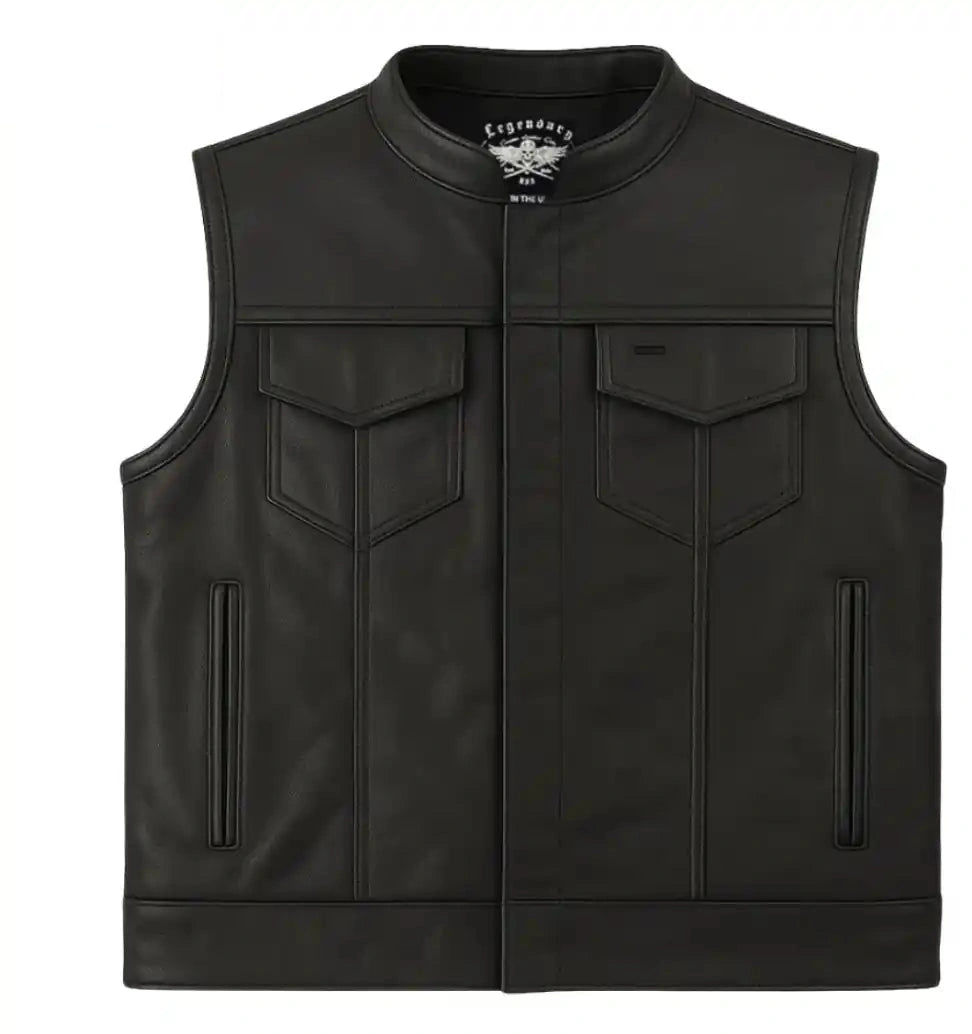
Store leather gear hanging (jackets) or laid flat (gloves and vests) in a cool, dry location away from direct light. UV exposure breaks down leather surface treatments and fades dye over time. Do not store in plastic bags or airtight containers — leather needs to breathe. Breathable garment bags are appropriate for long-term storage. Condition before long-term storage to protect the leather through the storage period.
When Leather Cannot Be Saved
Cracked leather that has broken through the surface cannot be fully restored. Surface cracking that has penetrated the grain layer indicates fiber structure failure — the leather has dried beyond the point where conditioning can restore it. Deep cracks mean the abrasion resistance of that zone is compromised. Gear with deep cracking in primary protection zones (shoulders, elbows, palms) should be replaced, not repaired.
Frequently Asked Questions
How often should I condition leather motorcycle gloves?
Every 3–4 months for gloves worn regularly. Gloves experience more oil depletion than jackets because they are in constant contact with the hand and exposed to more perspiration. Condition after any sustained rain exposure.
Can I wash leather motorcycle gear in a washing machine?
No. Machine washing leather causes rapid, uneven drying, destroys leather finishes, and can permanently warp the garment. Hand cleaning with leather soap is the appropriate method.
What is the best leather conditioner for motorcycle gear?
For horsehide: pure neatsfoot oil or mink oil. For deerskin: lanolin-based products or deerskin-specific conditioners. For cowhide: Leather Honey, Lexol, or Bick 4. Avoid products with petroleum distillates, which can damage some leather types over time.
My leather jacket stiffened after getting wet. What do I do?
If still stiff after drying: condition with a generous application of appropriate leather conditioner. Work the leather by hand — flexing it repeatedly at stiff areas while the conditioner absorbs. This should restore suppleness within 24 hours. If the leather was dried with heat, some permanent stiffening may remain; conditioning will improve but may not fully reverse heat-dried leather.
How do I store leather motorcycle gear long-term?
Clean, condition, hang or lay flat in a breathable garment bag or cotton sheet, store at room temperature away from direct light. Do not store in direct sunlight, near heat sources, or in airtight plastic. Check and recondition annually even during storage periods.