Harley-Davidson Shovelhead Guide: 1966 to 1984, and Who Should Actually Own One

Updated: Sep 2
Quick answer: The Shovelhead powered Harley Big Twins from 1966 to 1984, first at 74 cubic inches and later 80. It is charismatic, easy to work on, and demanding: expect regular wrenching, some oil on the floor, and rewards to match. Buy one to be its mechanic as well as its rider. MGR Reliability Rating: 5.5/10 by modern standards.
Spec | Shovelhead |
Production years | 1966 to 1984 |
Displacements | 74 cubic inches (1,208cc); 80 cubic inches (1,340cc) from the late 1970s |
Configuration | 45 degree OHV V-twin, 2 valves per cylinder, hydraulic lifters |
Eras | Generator bottom end 1966 to 1969; alternator cone motor from 1970; AMF ownership 1969 to 1981 |
Used in | Electra Glide, Super Glide, FXE, FXS Low Rider, Sturgis, Wide Glide |
MGR Reliability Rating | 5.5/10 by modern standards, understood as a hands on classic |

What the Shovelhead is
The Shovelhead arrived in 1966, topping the Panhead bottom end with new rocker covers whose shape gave the engine its nickname. In 1970 the generator gave way to an alternator and a cone shaped timing cover, splitting the era into early generator Shovels and later cone motors. Displacement grew from 74 to 80 cubic inches in the late 1970s. This is the engine of the chopper era, the first Super Glide, and the Low Rider, and it carried Harley through its most turbulent corporate years.
The AMF years, honestly
AMF owned Harley from 1969 to 1981, and it is fair to say quality control suffered while production volume climbed. It is also fair to say the era gets exaggerated: many AMF era bikes were fine, and a Shovelhead that has survived to 2026 has usually had its weak points sorted by somebody. Judge the individual machine and its records, not the badge on the tank. The 1981 buyback and the Evolution engine that followed in 1984 ended the era; our Evolution guide picks up that story.
Maintenance demands: what living with one is really like
Plan on being involved. Points ignition on earlier bikes, carburetors, chain drive on many, and fasteners that loosen with vibration mean a Shovelhead wants attention on a schedule modern riders have forgotten.
Oil control is a project, not a given. Correct assembly, modern gaskets, and proper crankcase breathing can make one respectably tight, but expect seepage as a baseline.
Heat and traffic are enemies. These engines were designed for open roads, and modern stop and go riding in summer works them hard.
Electrics are simple and crude. Charging output is modest, and old wiring is the number one source of roadside drama.
Kickstart only on some, and a healthy battery plus correct starting ritual on all.
Who should own a Shovelhead
Someone with a second, modern bike. Someone with tools, patience, and a shop manual, or the honest budget to pay a specialist. Someone who values the mechanical experience and the look and sound of the classic era more than arrival statistics. If that is you, a sorted Shovelhead is one of the most satisfying machines in motorcycling. If you want an appliance, buy an Evolution or a Milwaukee-Eight and never look back.
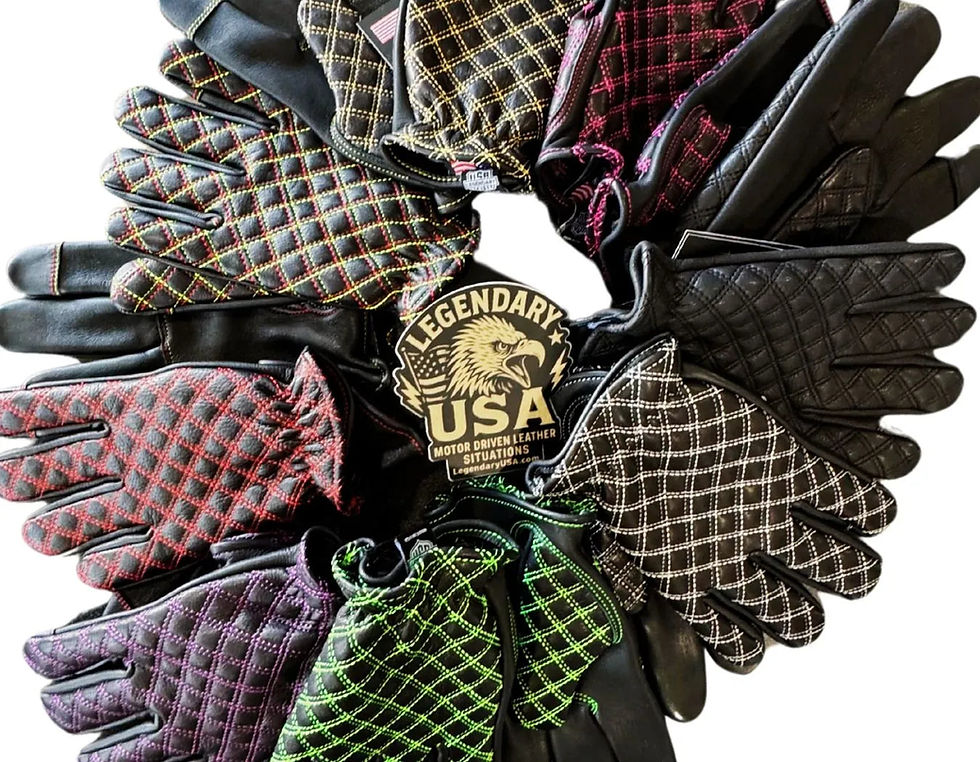
A practical note for vintage riders: classic bikes pair naturally with classic gear, and heavyweight leather is period correct protection. Traditional pieces like Legendary USA's Bad Billy jacket (around $99.99) or leather gauntlet gloves (around $145) fit the era without looking like a costume. Buy for fit and leather weight first, brand second.
Realistic lifespan and rebuild culture
Shovelheads live on rebuild cycles, not odometer promises. A properly built top end and bottom end can run tens of thousands of miles between refreshes, and every part remains available new or reproduction. Ownership cost is better measured in periodic rebuilds than in any single lifespan number, and we will not pretend otherwise.
Buying guidance
A documented rebuild by a known Shovelhead builder is worth more than low claimed mileage.
Matching numbers and originality drive collector value; tasteful upgrades (electronic ignition, modern regulator, quality carb) drive rideability. Decide which buyer you are.
Cone motors (1970 to 1984) are the practical choice for riders; generator Shovels (1966 to 1969) lean collector.
Budget beyond the purchase: tires, wiring, seals, and a carb service are almost always due on a new to you Shovel.
FAQ
Is a Shovelhead reliable enough to ride regularly?
A sorted one, yes, with an owner who keeps up with maintenance. Our 5.5/10 rating reflects the demands by modern standards, not whether the engine can be trusted at all. Sorted and maintained, it can be a regular rider.

Which Shovelhead years are best?
For riding, later cone motors, especially 1978 to 1984 80 inch bikes with the accumulated updates. For collecting, the 1966 to 1969 generator bikes carry the premium.
Are AMF era Harleys really that bad?
Quality control genuinely dipped, but survivors have generally been corrected over the decades. Condition and history of the individual bike matter far more in 2026 than the AMF stamp does.
How much maintenance does a Shovelhead need?
Expect pre ride checks, frequent fastener and chain attention, regular carb and ignition tuning on stock setups, and oil service on short intervals. It is a relationship, not a subscription.
How much does a Shovelhead cost in 2026?
The spread is wide: rough projects to concours restorations occupy entirely different markets, and FXS and Sturgis models command premiums. Buy the best sorted example you can afford; cheap Shovels are rarely cheap for long.
Shovelhead or Panhead, which should I buy?
Panheads are older, rarer, and more collectible; Shovelheads are cheaper to buy, easier to find parts for, and better suited to actually riding. Our Panhead guide covers the other side of that decision.
Sources
Last updated: August 14, 2026. MotoGearRater is independent. We do not sell motorcycles and nobody pays for a rating.