Burnouts Explained: What They Do to Your Tire, Your Bike, and When They Are Legal

Updated: Sep 2
A burnout spins the rear wheel against a held front brake so the tire smokes in place. It rapidly destroys rear tire tread, heats the clutch and drivetrain, and on public roads it is generally illegal, treated as reckless or exhibition driving. Legal burnouts happen on private property with permission and at sanctioned events.
This is part two of Wheelies and Burnouts, the MotoGearRater series covering stunt riding as a sport. As always: this is sport journalism, not instruction. We have not performed or tested these stunts, and this post is about what a burnout is and what it costs, not how to do one.

What Is a Burnout?
A burnout is the simplest stunt to describe: the rear tire spins while the motorcycle stays put, friction turns rubber into heat and smoke, and the crowd reacts. In stunt competition and at V twin events it has evolved into its own discipline, with riders walking the bike in circles, drifting the rear under smoke, or holding long stationary burnouts as a finale. At contests like The Brawl, an invite only V twin stunt competition running since 2017, burnouts are a core part of how riders build a run.
What Does a Burnout Do to Your Tire?
Nothing good, and that is the point. A spinning tire against stationary pavement grinds away tread rubber far faster than any riding can. The heat also matters: tire compounds are engineered for a working temperature range, and a long burnout pushes the surface well past it, leaving greasy, chunked, or blistered rubber behind. Stunt riders and show riders treat rear tires as pure consumables, often running worn takeoff tires for practice because a fresh tire would be wasted. A tire that has been smoked down toward its cords is done, full stop. It is not a tire to ride home on, which is another reason this belongs at an event with a trailer, not on a street.
What Does a Burnout Do to the Rest of the Bike?
Clutch: getting a bike spinning in place means slipping the clutch under load. Repeated burnouts accelerate clutch plate wear and glazing, which is why clutch packs are one of the most replaced parts in stunt riding.
Cooling: a stationary bike at high rpm gets no airflow. Extended burnouts push coolant and oil temperatures up fast, and air cooled V twins feel it even sooner.
Chain and sprockets: shock loading and heat shorten drivetrain life, and molten rubber ends up everywhere, including packed into the chain.
Everything nearby: rubber spray coats the swingarm, fender, exhaust, and shock. Show teams budget cleaning time after every smoke session.
We go deeper on the wear side of the sport in our upcoming maintenance post in this series.
When Are Burnouts Legal?
On a public road, essentially never. Depending on where you live, a burnout can be cited as reckless or careless driving, exhibition of speed, or a specific stunting offense, and the consequences commonly stack up: fines, license points or suspension, vehicle impound in some jurisdictions, and insurance trouble afterward. Laws vary by state and country, so treat that as the general pattern rather than legal advice.
Where burnouts are legal is just as clear: private property with the owner's permission, closed courses, and sanctioned events. Motorcycle rallies have long featured organized burnout contests and stunt shows, from dealership lot events to arenas like the stunt shows at Arizona Bike Week, and competitions such as The Brawl build burnouts into judged runs. The sport did not disappear when it left the street. It got organized.
Does Gear Matter for Burnouts?
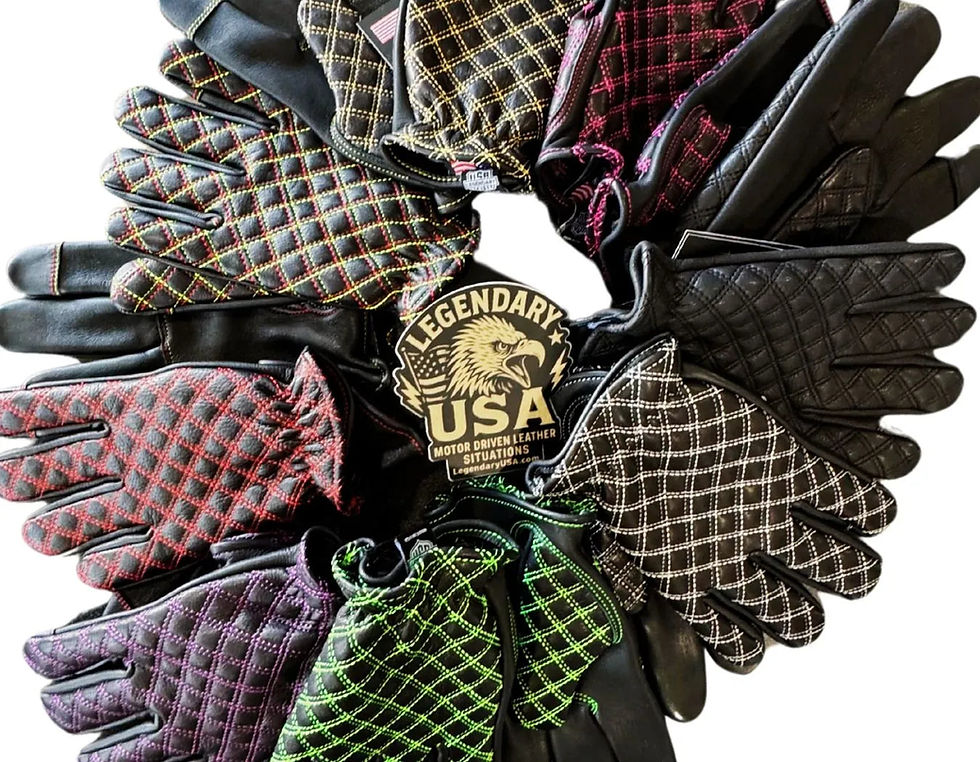
More than people think. Riders doing walking burnouts and drift circles fall, and they fall on pavement. Armored gloves from brands like Alpinestars, Icon, and Fox, real boots, a helmet, and abrasion resistant layers are the standard at sanctioned events. Classic unarmored leather gloves, like the deerskin and goatskin work gloves sold by heritage brands such as Legendary USA, are honest everyday leather, but they are not stunt protection and we would not choose them for a stunt lot. Save the nice leather for the ride, not the smoke show.
FAQ
How much tire does one burnout use up?
There is no fixed number, but the direction is obvious: a long smoke session can chew through more rubber than thousands of miles of normal riding. Show riders can take a tire to the cords in a single extended burnout.
Do burnouts damage the engine?
A brief burnout on a healthy bike is mostly a clutch and tire event. The engine risk comes from heat: no airflow, high rpm, and long duration. That combination is why extended burnouts are a show act performed on bikes that are maintained as working equipment.

Is a burnout illegal even in my own driveway?
Private property with the owner's permission is generally outside traffic law, though local noise and nuisance rules can still apply. The legal problems attach to public roads and to other people's property.
Why do V twin events love burnouts so much?
Torque and theater. Big V twins make smoke easily and sound enormous doing it, which is why burnout pits and V twin stunt contests are rally staples, and why events like The Brawl exist specifically for Harley-Davidson based stunt bikes.
Can a burnout be part of a judged competition run?
Yes. Modern stunt contests score overall impression, and smoke work, drift circles, and burnout transitions are standard elements riders use to fill and flavor a run.
Keep Reading on MotoGearRater
Start the series with Wheelies Explained. If torque monsters are your thing, see our Harley Street Bob rating and Yamaha MT-09 rating.
Sources
Last updated: August 7, 2026. MotoGearRater is independent. We cover stunt riding as sport journalism, we have not performed or tested these stunts, and we never recommend stunting on public roads.